























Below are the three core causes of HDMI signal abnormalities
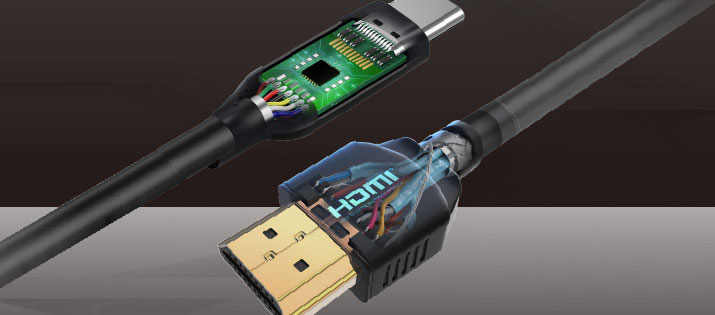
Although the HDMI Licensing Administrator enforces strict quality control on cables (such as requiring QR code certification labels and conducting regular market sampling inspections), the market still presents the following risks:
- Uncertified, low-quality cables: A large number of non-certified cables are widely available.
- Material substitution issues: Some products pass certification initially, but later switch materials due to shortages, resulting in reduced signal stability and screen flickering.
HDMI cables are divided into three main categories. If the cable grade is lower than the signal source requirement, abnormalities may occur
- Standard: Supports up to 4K@30Hz
- Premium (High Speed): Supports up to 4K@60Hz
- Ultra (Ultra High Speed): Supports up to 8K@60Hz
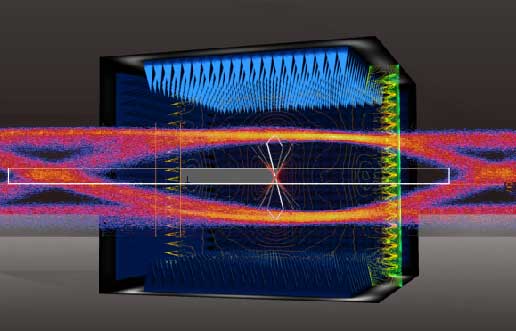
When multiple HDMI cables are connected to a TV, insufficient shielding can cause electromagnetic leakage (EMI), interfering with adjacent ports.
- Testing gaps: Currently, only Ultra High Speed Cables are required to undergo EMI testing, while High Speed and Premium cables lack clear regulations.
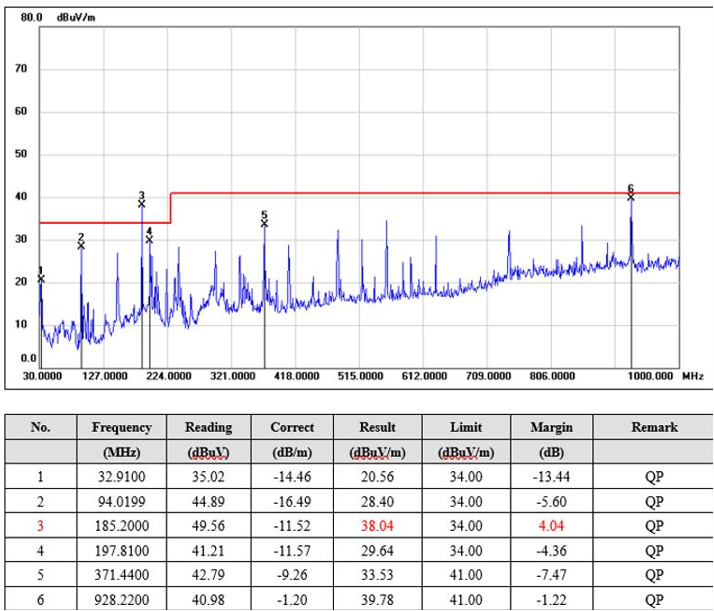
- Low-frequency risks: Based on lab experience, cables are most prone to issues at around 185 MHz (corresponding to 1080p@60Hz signals). This means that even standard cables, if not tested for EMI, may still pose a high risk of interference.
What Should You Do If Flickering Occurs?
Don’t let “cable defects” become a stumbling block for your brand reputation.
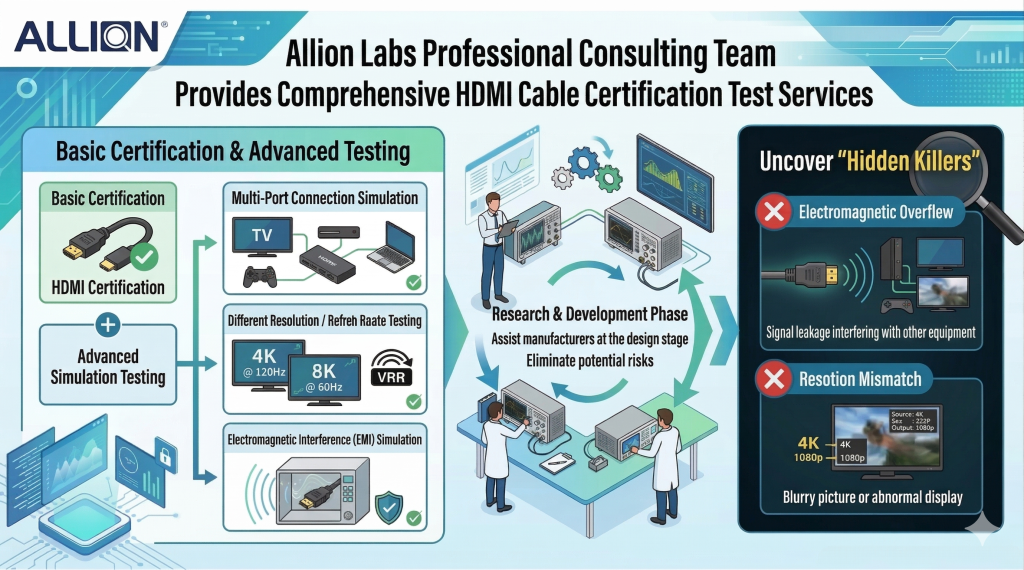
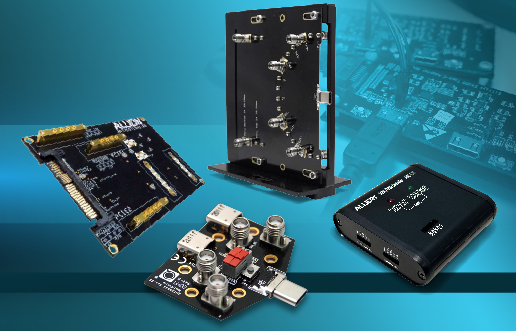
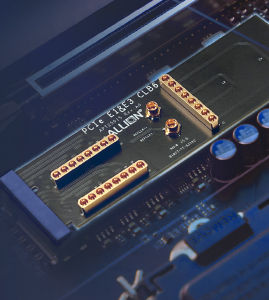
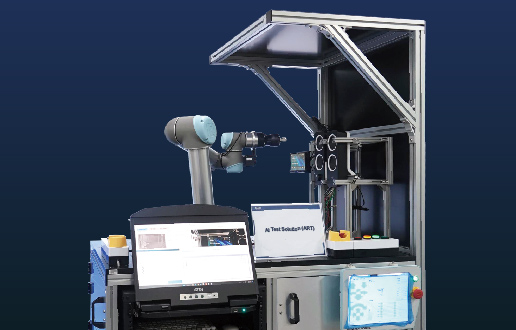
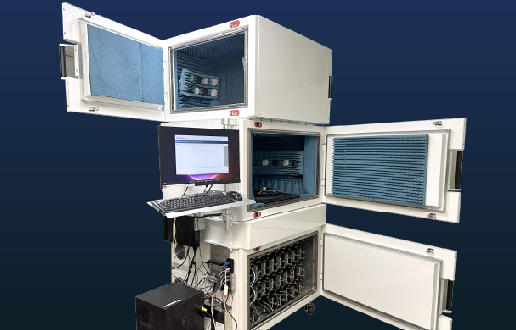
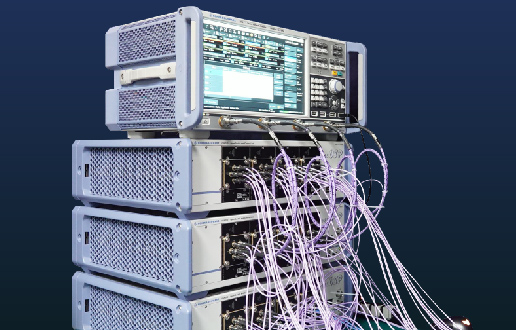
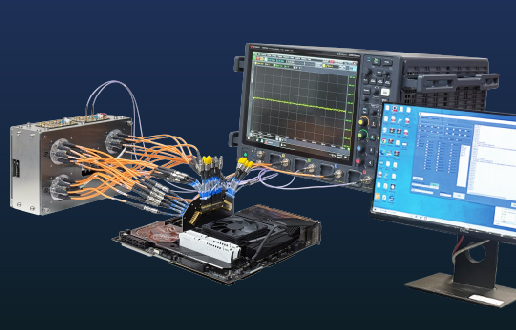
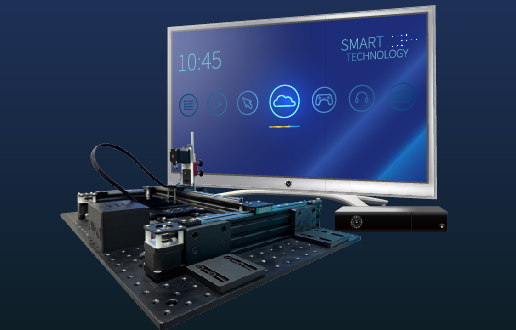
Allion Labs provides comprehensive HDMI cable certification and testing services. In addition to standard certification, we offer advanced simulation testing for multi-port connections, various resolutions and refresh rates, and electromagnetic interference. This helps manufacturers identify and eliminate potential risks during the design stage, ensuring the most stable audio-visual experience for end users.
Through Allion Labs’ advanced simulation testing, manufacturers can detect hidden issues such as electromagnetic leakage and resolution mismatch early in the R&D phase. Instead of relying on end users as “stress testers,” conducting thorough pre-shipment validation helps eliminate negative feedback at the source.