




























With the rapid evolution of AI servers, GPU, NVMe SSDs, IPCs, high-end motherboards, and switch platforms, PCIe is no longer just an interface, it has become a backbone that determines overall system performance, stability, and compatibility. As lane speeds continue to increase, PCB designs becomes more compact and heterogeneous integration with Retimer/Redriver components becomes the norm, the role of PCIe electrical validation has fundamentally shifted. Allion applies Golden Methodology to tackle the challenges of high-speed interface implementation and transform measurement results into deliverable, traceable, and communicable engineering evidence.
What Are the Real-World Challenges of Implementing PCIe?
Core Objectives
Did You Conduct the Testing Right?
- Internal Resource and Equipment Barriers
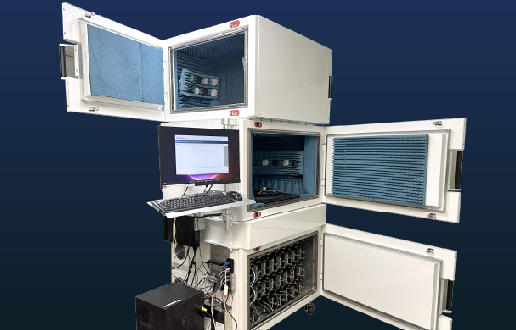
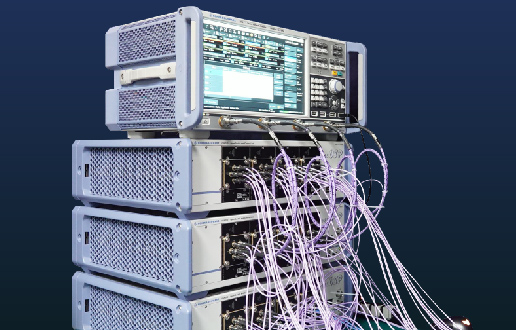
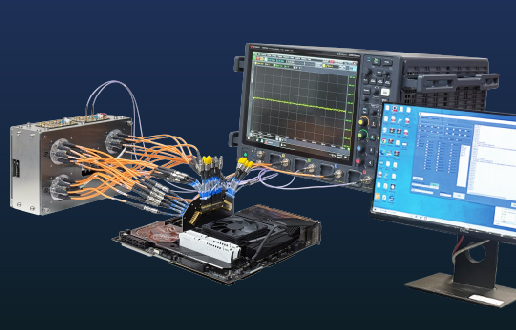
High-speed electrical testing requires advanced oscilloscopes, probes, fixture design, calibration procedures, representing significant upfront investment and long-term maintenance costs.
- Reproducibility and Comparability
Different fixtures, calibration methods, and test conditions can produce data that appear similar yet lead to conflicting conclusions, making it difficult for teams to reach consistent judgments.
- High Cross-Team Communication Overhead
Hardware, SI/PI, firmware, and system integration teams may interpret data differently. Without a traceable test plan and structured reporting framework, issues often fail to converge efficiently.
- End-Customer Expectation
Customers no longer accept simple pass/fail results. They require clearly defined measurement conditions, test points, margin analysis, and credible third-party validation.
As a result, many projects stall at the stage where the product is nearly complete—but validation evidence is insufficient. Teams are then forced to either delay shipment or proceed into mass production with uncertainty.
An Engineering-Driven Process for PCIe Electrical Validation
Allion transforms testing into deliverable, traceable, and communicable engineering outcomes through a comprehensive test process:
- Test Planning
Based on product type (Add-in Card, motherboard, backplane, cable, Retimer/Redriver) and customer acceptance requirements, Allion defines test items, test points, conditions, sample strategies, and risk prioritization.
- Fixture & Calibration
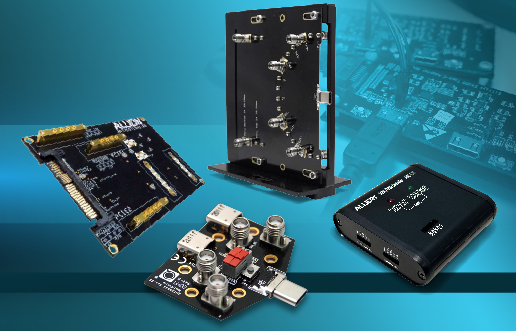
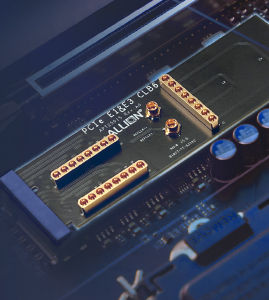
While PCI-SIG defines official fixtures primarily for standard CEM form factors, Allion has developed fixtures for various non-CEM product types based on real-world applications, including:
- OCP NIC
- EDSFF E1 and E3
- M.2
- U.2
Fixtures can also be customized according to routing topology, connector types, and system architecture.
Each fixture design incorporates complete calibration procedures and error-control to improve reproducibility and comparability across platforms and product forms. Allion supports PCIe 6.0 testing.
- Third-Party Test Report
As an independent third party, Allion provides reports including:
- Measurement configurations
- Calibration methodology
- Waveform results
- Margin analysis
- Interpretation criteria
These reports serve as audit evidence for stakeholders.
- Issue Analysis & Debugging Support
Allion assists with issue analysis and provides suggestion regarding design adjustments, layout improvements, material selection, or parameter tuning. This ensures test findings are effectively translated into practical design decisions.
Turning Validation Cost into Competitive Advantage
Outsourcing PCIe electrical testing delivers value in 3 critical ways:
Filling Internal Resource Gaps
Eliminate the need for heavy investment in high-speed test equipment and personnel, allowing internal engineers to focus on product design and issue resolution.
Meeting Customer Expectations for Validation Evidence
Provide auditable and traceable reports, shorten review cycles from brands while reducing delays caused by repeated documentation revisions.
Building Communication Credibility
Third-party validation enhances credibility. Combined with engineering suggestions, reports become a common technical language across global supply chains, customer audits, and complaint investigations.

The earlier uncertainty is reduced through validation, the more effectively development costs can be controlled within the R&D phase.
If you are facing tight validation timelines, limited internal resources, customer requirements for third-party reports, or the need for fixture and test plan support, Allion can tailor PCIe test solutions aligned with your product type and project goals, ensuring high-speed design risks are identified in the laboratory, not in the field.