




















XR/AI Glasses Ecosystem User Experience Consulting Service
Allion Labs | XR/AI Glasses Ecosystem User Experience Consulting Service
Allion provides ecosystem validation and consulting services for XR/AI smart glasses, covering iOS and Android, XR/AR platforms, Wi-Fi, Bluetooth, USB, AI-powered voice features, and real-world usage scenarios.
What Is XR/AI Glasses Ecosystem Validation?
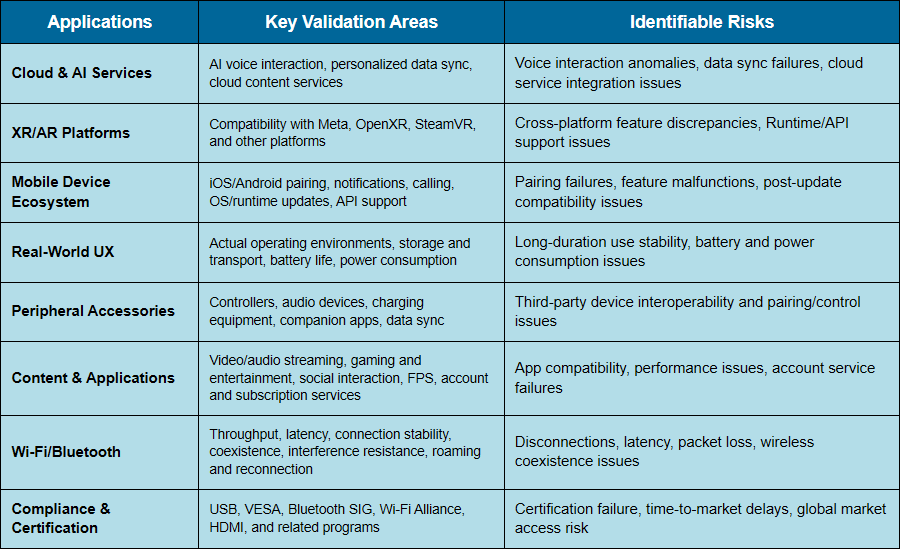
XR/AI glasses ecosystem validation is an integrated validation approach covering the headset itself, iOS/Android mobile devices, XR/AR platforms, Wi-Fi/Bluetooth, USB, cloud and AI services, applications, peripheral accessories, and real-world usage scenarios. Allion Labs provides consulting and validation services spanning product market-readiness assessment, cross-platform and peripheral interoperability, wireless connectivity, real-world reliability, voice and AI experience, and global compliance and certification — helping manufacturers identify cross-ecosystem risks as early as the EVT stage, reduce post-launch complaints and RMA risk, and shorten debugging and time-to-market cycles.
Why Do XR/AI Glasses Need Ecosystem Validation?
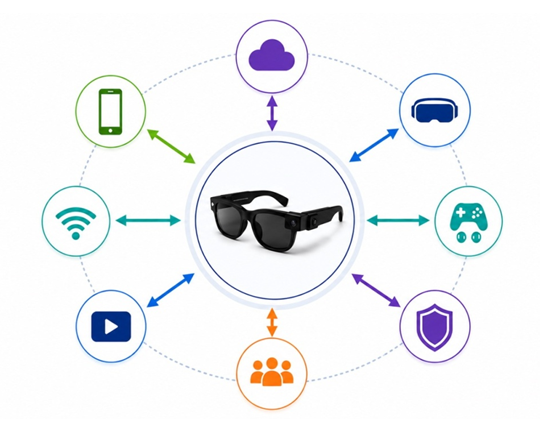
XR/AI glasses are not a single hardware product. They form a product ecosystem built from the headset device, mobile operating systems, wireless connectivity, XR/AR platforms, cloud services, AI voice and personal assistants, applications, and third-party peripherals. As a result, passing standalone hardware QA does not guarantee stable operation in real-world usage scenarios.
Allion’s service focus is to translate cross-platform, cross-protocol, and cross-device integration issues into reproducible, measurable, and traceable validation items, and to build an issue-driven validation strategy informed by customer complaints and market feedback.
What Does Allion’s XR/AI Glasses Service Cover?
Market & Complaint Data: What Are the Most Common Ecosystem Risks for XR/AI Glasses?
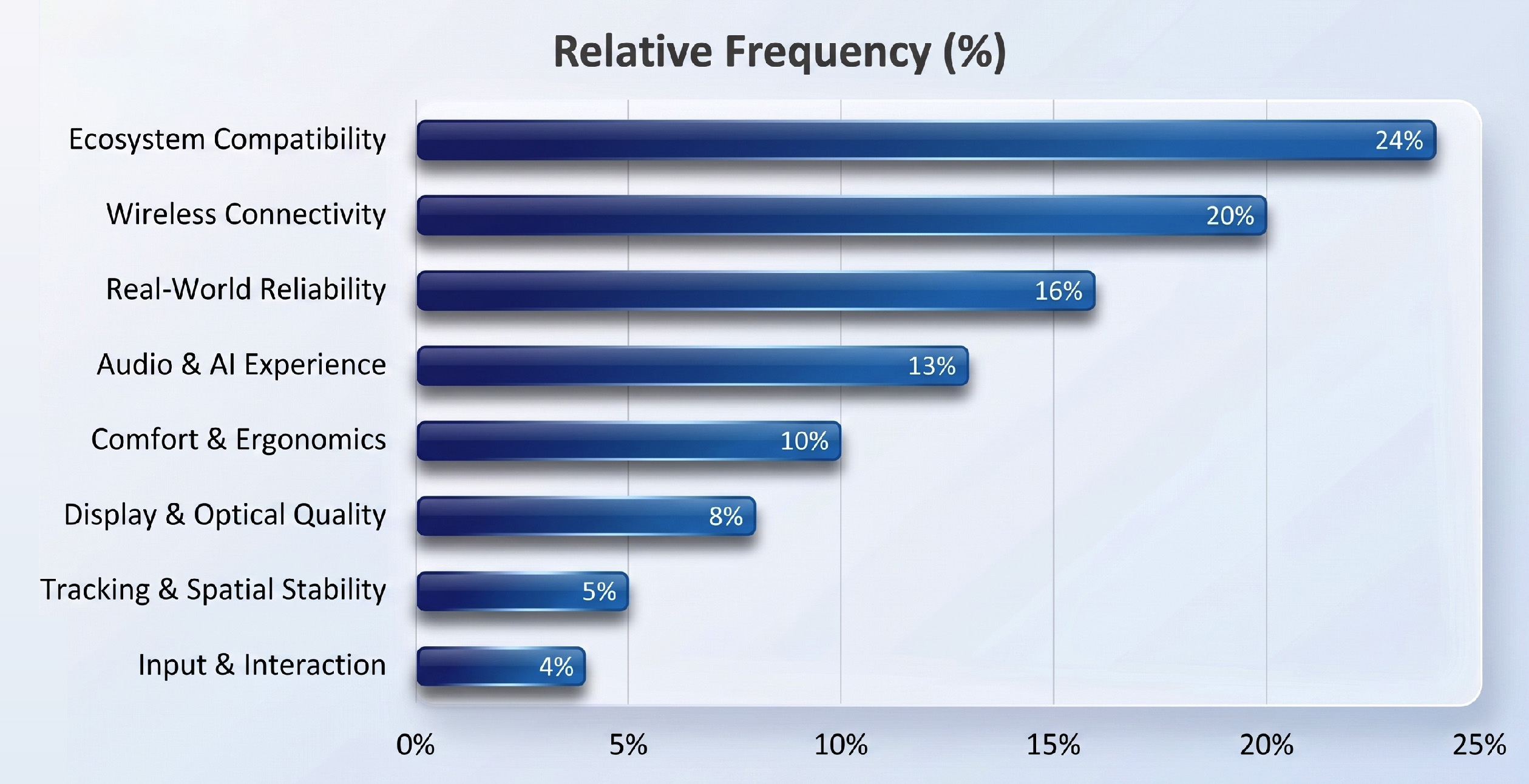
Based on Allion’s analysis of XR/AI glasses market feedback from 2024–2026, covering 20+ product brands, 1,000+ complaint cases, and 10+ user feedback sources, the highest-priority ecosystem risks fall into four areas: ecosystem compatibility, wireless connectivity, real-world reliability, and voice/AI experience.
In most cases, the issue is not a single device or component anomaly, but rather interoperability and integration among the glasses, the phone OS, apps, Wi-Fi/Bluetooth, cloud services, and AI features. Quality validation for XR/AI glasses therefore cannot focus on standalone device functionality alone — it must also validate overall performance within a real-world ecosystem and usage context.
How Does Allion Analyze and Reproduce XR/AI Glasses Issues?
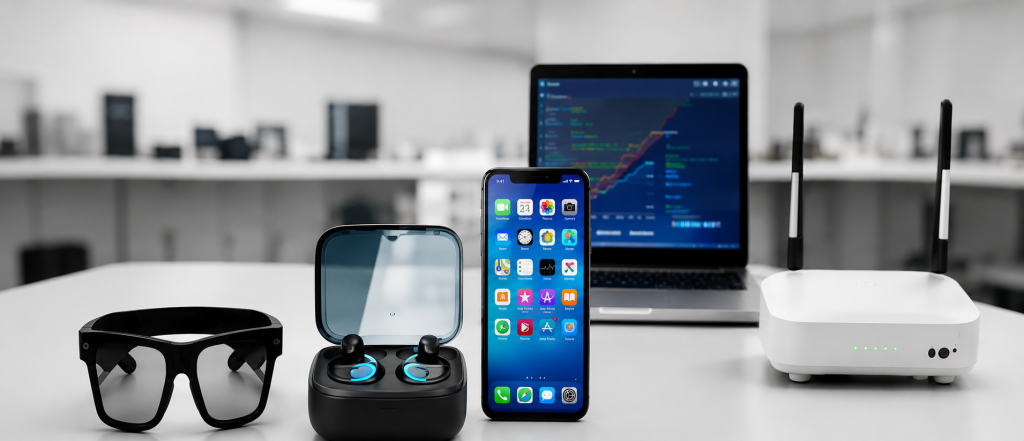
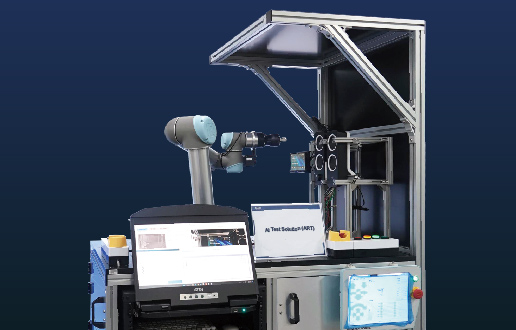
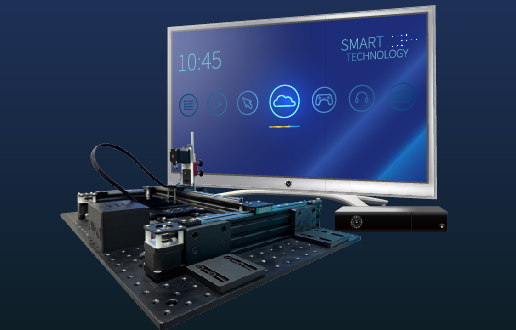
Build multi-device, multi-platform, and real-world usage scenarios so that reported issues can be reliably reproduced and compared.
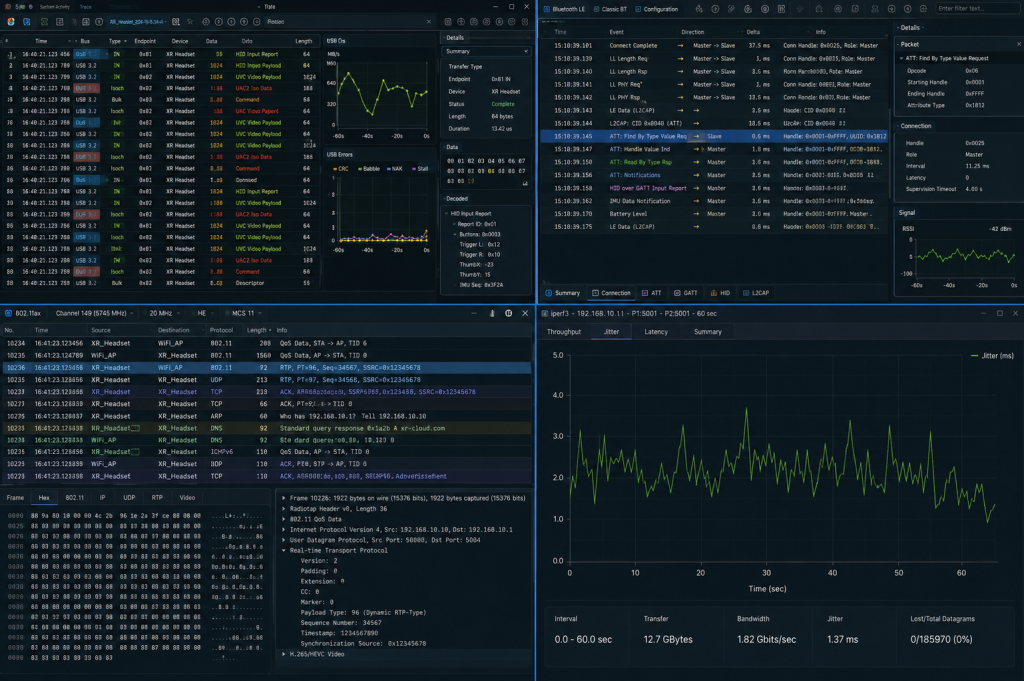
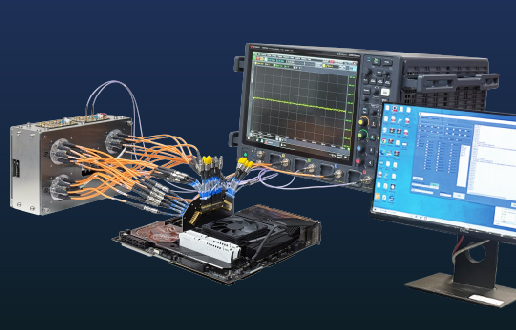
Capture low-level communication packets and correlate them on a timeline to help identify latency, packet loss, disconnection, or protocol negotiation anomalies.
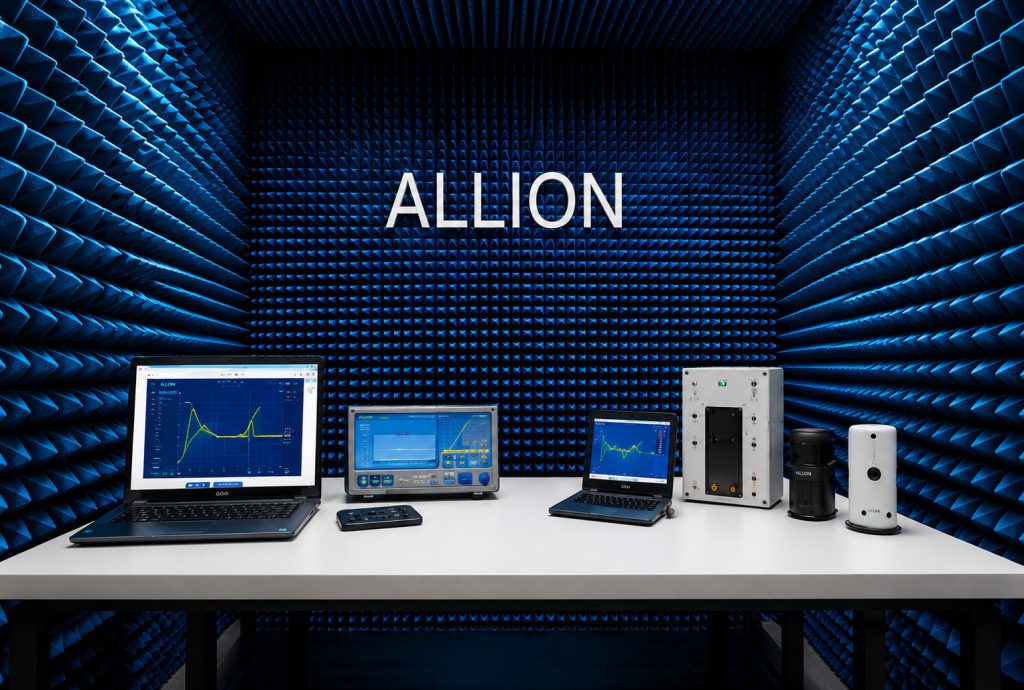
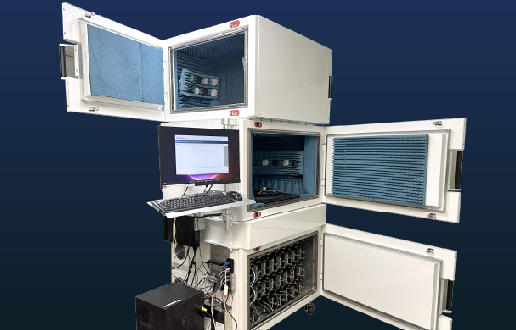
Perform coexistence and interference-resistance validation inside an RF-shielded chamber, analyzing RF issues under multi-antenna or multi-radio operation.
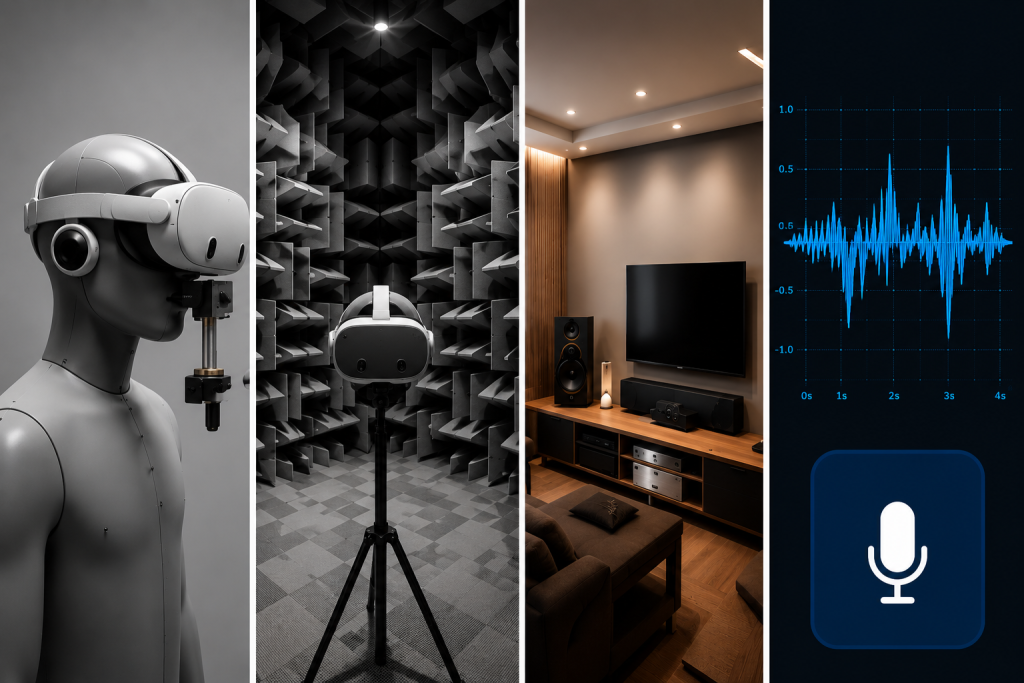
Use an anechoic chamber and controlled listening environments with a HATS (Head and Torso Simulator) to quantify voice interaction latency, AI wake/recognition performance, and audio performance.
Allion’s Six Core XR/AI Glasses Consulting Capabilities
Product Readiness Assessment
Usage-scenario analysis, translating UX requirements into technical metrics, competitive benchmarking, and risk assessment.
Ecosystem Compatibility
iOS/Android/PC, controllers, wireless headsets, charging equipment, companion apps, and cloud integration.
Wireless Connectivity
Wi-Fi throughput/latency, Bluetooth audio latency, multi-radio coexistence, and interference-resistance validation.
Real-World Reliability
Storage and operating environments, battery life, HALT/HASS, and related assessments.
Voice & AI Experience
End-to-end voice latency, wake word, recognition performance under ambient noise, and audio leakage.
Global Compliance & Certification
Planning USB-IF, VESA, Bluetooth SIG, Wi-Fi Alliance, HDMI, and other test and certification pathways based on product requirements.
When Should XR/AI Glasses Ecosystem Validation Be Introduced?
Faster, Easier, Better: Allion’s Delivered Value
Faster
Identify cross-platform and cross-domain risks early, shortening issue localization, debugging, and validation cycles.
easier
Integrate mobile devices, XR platforms, Wi-Fi/Bluetooth, acoustics, AI, and cloud domains, reducing cross-team collaboration costs.
better
Connect user feedback with technical metrics, moving beyond pass/fail to improve quality and risk management. By analyzing consumer complaints and reducing product RMA (return merchandise authorization) rates, Allion aims to help clients achieve an expected 50%+ reduction in after-sales maintenance costs.

XR/AI Glasses Ecosystem User Experience Consulting Service Frequently Asked Questions (FAQs)
Because smart glasses functionality depends on the phone OS, apps, XR/AR platforms, wireless connectivity, cloud services, AI, and third-party peripherals. Passing standalone hardware testing does not mean the product will operate stably within a real-world ecosystem. Allion’s ecosystem validation brings cross-device and cross-platform interoperability into the test scope.
Our service scope covers XR/AR glasses, AI smart glasses, and related wearable devices, assessing integration risk across phones, XR platforms, apps, cloud, Wi-Fi, Bluetooth, USB, audio, AI voice, and peripherals based on the product architecture.
Allion performs USB, Bluetooth, and Wi-Fi protocol analysis with packet capture and timeline correlation, analyzing connection establishment, data transfer, latency, packet loss, disconnection, and reconnection events to help engineering teams narrow down issues and perform root cause analysis.
Yes. By correlating cross-device events, communication packets, and timelines, Allion places the behavior of the glasses, phone OS/app, wireless link, and cloud services within a single analysis framework to help clarify at which system layer an issue occurs.
Yes. Allion’s assessment scope includes end-to-end voice interaction latency, wake word recognition, recognition performance under ambient noise, and audio leakage, and can be paired with a HATS head-and-torso simulator and controlled acoustic environments for objective evaluation.
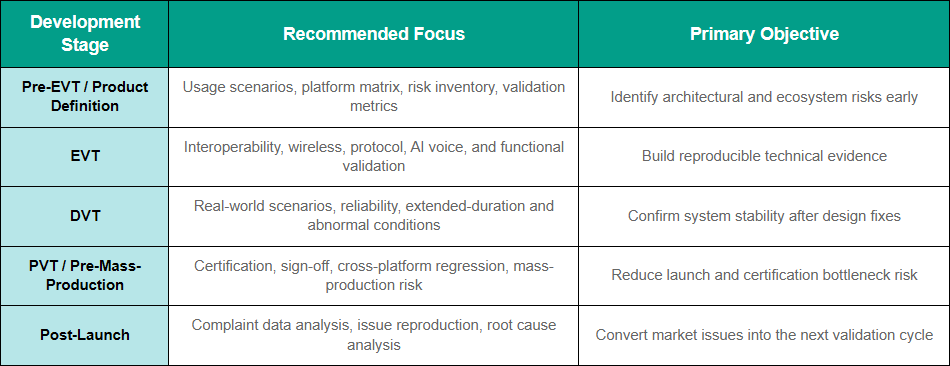
We recommend starting before product definition and EVT. The earlier a platform matrix, usage scenarios, risk list, and quantified validation metrics are established, the better positioned you are to avoid discovering cross-platform integration issues only at DVT, PVT, or after mass production.
Depending on product requirements, Allion can plan USB-IF, VESA, Bluetooth SIG, Wi-Fi Alliance, HDMI, and related test and certification programs, and provide certification-pathway planning, pre-test debugging, and project management support. The official page should reflect the most current information based on actual authorization and certification qualifications.
Allion’s service is positioned beyond executing individual tests — it also covers ecosystem risk inventory, real-world scenario reproduction, protocol analysis, RF/wireless coexistence, acoustics and AI experience, and issue analysis and debugging. Its core concept is to translate market issues into verifiable engineering metrics.