HMI Automation Test Solution
(In-Vehicle System)

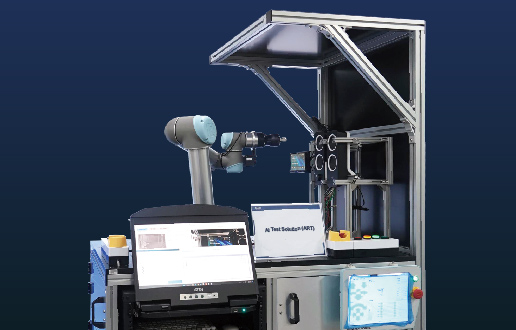
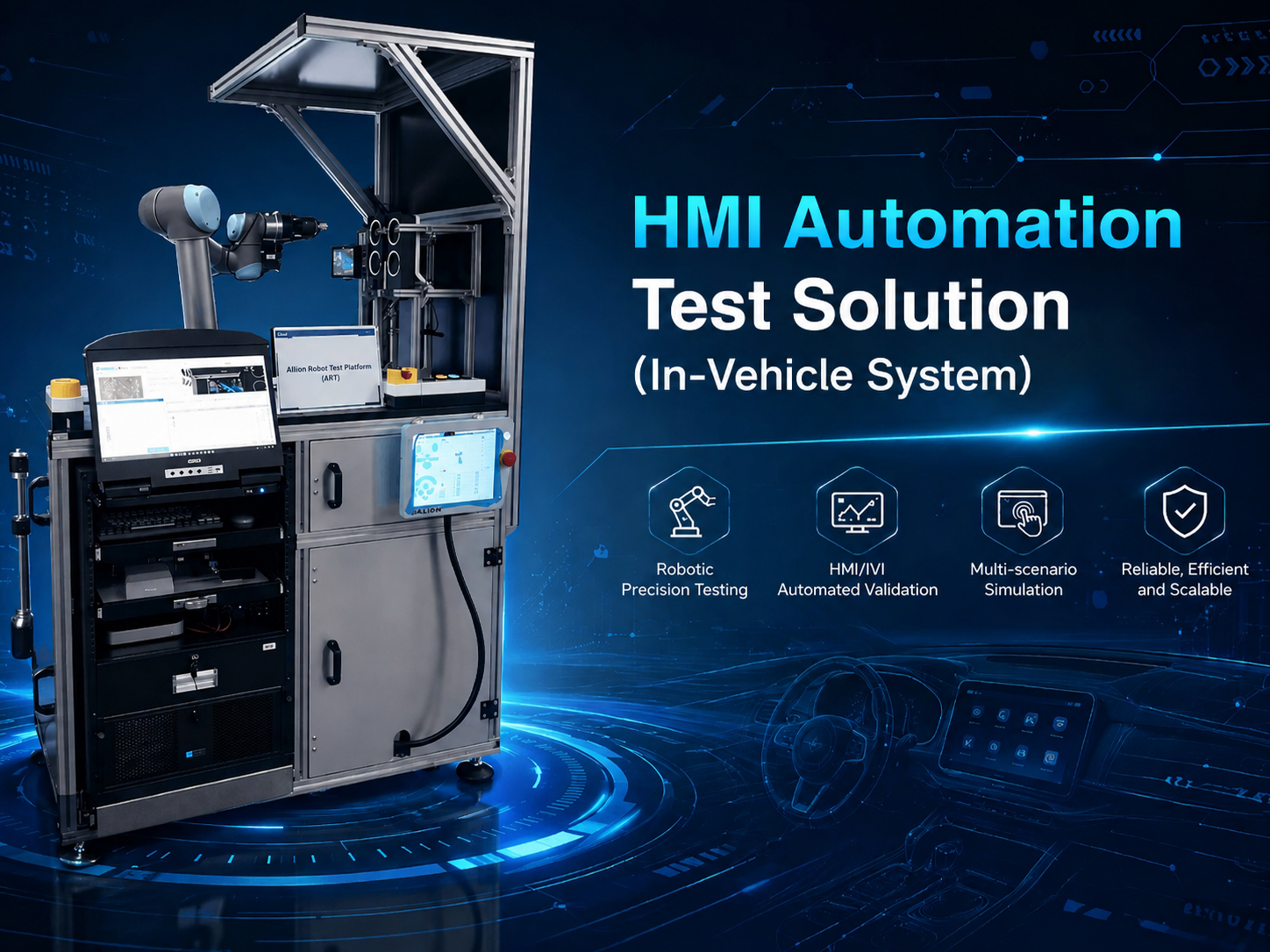
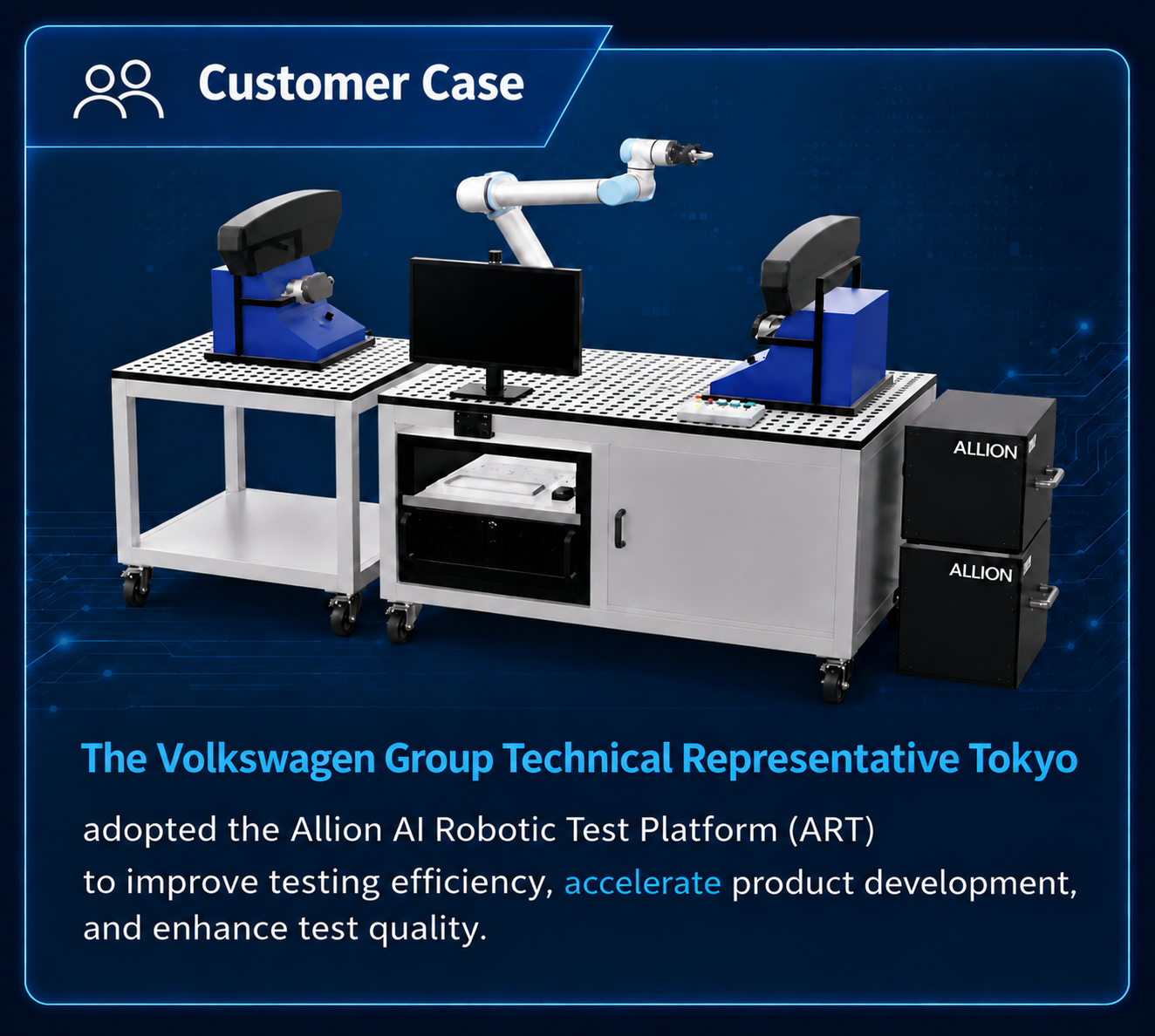
ART ( Allion Robotic Test Platform) not only overcomes the time constraints of traditional manual testing, meeting the need for 24/7 uninterrupted verification, but also achieves 100% testing accuracy and consistency. We assist automotive industry customers in ensuring product quality and performance before mass production in a fast, efficient, and comprehensive manner, significantly reducing market-ready risks and ultimately creating a superior user experience.

Solution Inquiry Now
Smart Cockpit Application Ecosystem (IVI HMI) Status Analysis

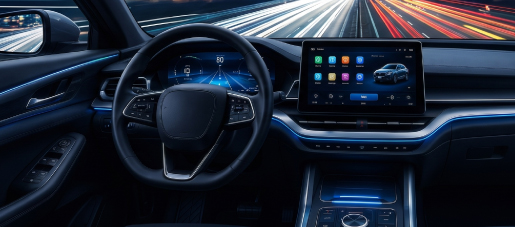
With the rapid development of automotive technology, we have officially entered the era of the smart cockpit. Today’s smart cockpit centers around Software Defined Vehicles (SDV), integrating Human-Machine Interface (HMI), In-Vehicle Infotainment (IVI), AI, sensing technology, Internet of Vehicles (IoV), and cloud services into a next-generation in-vehicle experience platform.

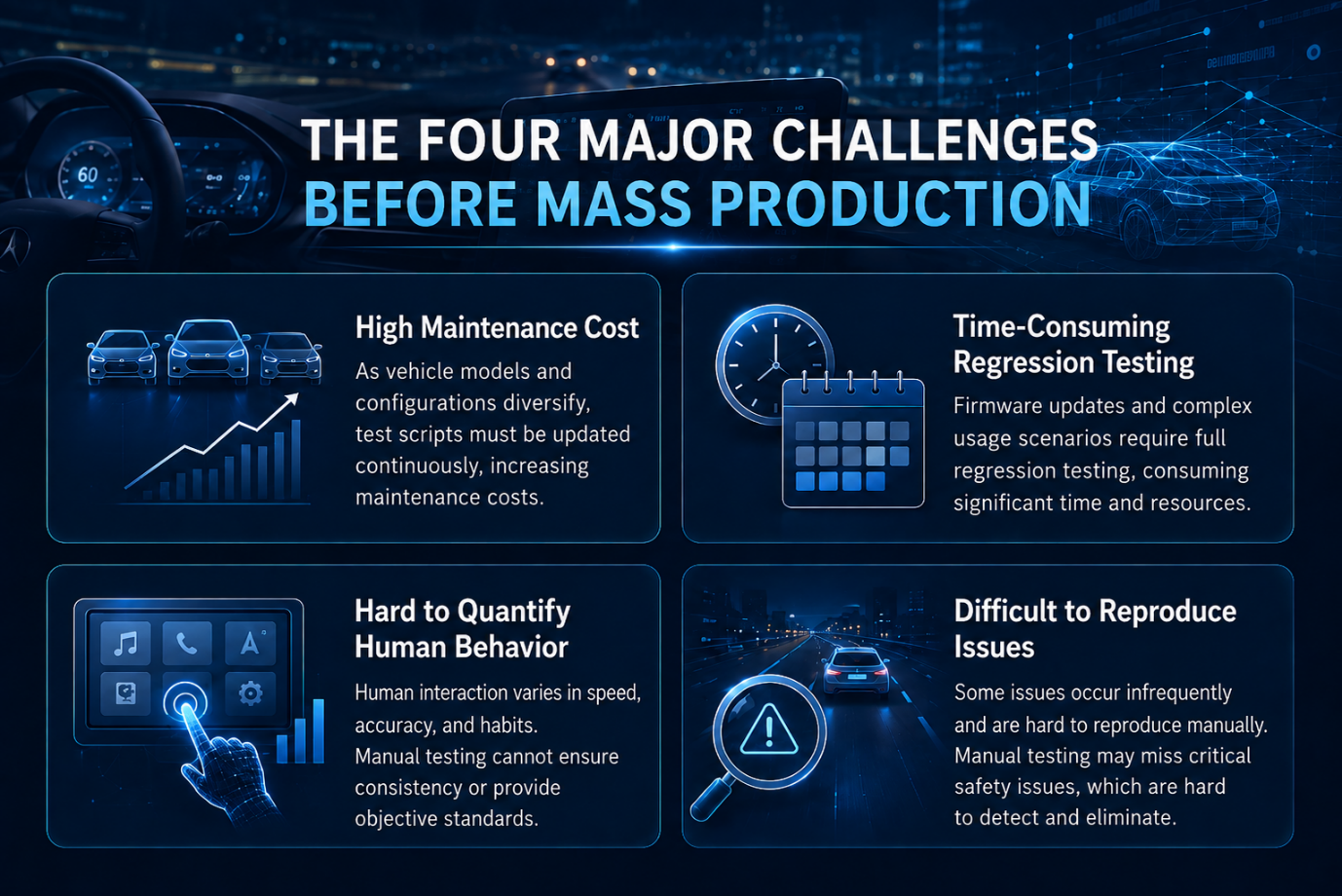
The competitive landscape for automaker business models has evolved from pure hardware manufacturing to a mobile service ecosystem driven by “digital experience + software service + ecosystem integration”. User Experience (UX) has become a crucial benchmark for automakers to establish brand differentiation. However, faced with such complex system integration, pre-mass production validation encounters the following four main challenges:

  • Multiple Models × Frequent Updates, High Maintenance Costs: Different vehicle models, screen sizes, and hardware configurations must be retested individually, causing testing costs to scale linearly with the number of models.
  • Slow Regression Testing, High Time Costs: Whenever firmware is updated, complex use scenarios and regression validation workflows must be re-executed entirely. Traditional manual testing often takes weeks, placing a heavy workload and manpower burden on automakers.

  • Inconsistent Test Standards, Difficult to Quantify UX Behavior: Manual testing makes it difficult to ensure identical operation standards every time. Furthermore, touch response, fluidity, and recognition rates rely heavily on subjective perception, lacking objective and standardized metrics as a basis for sign-off.
  • Low-Probability Issues Difficult to Reproduce: Manual testing cannot fully cover all potential usage scenarios. For low-probability issues that significantly impact safety and quality, it is extremely difficult to stably reproduce and debug them.

Allion HMI Automation Test Solution

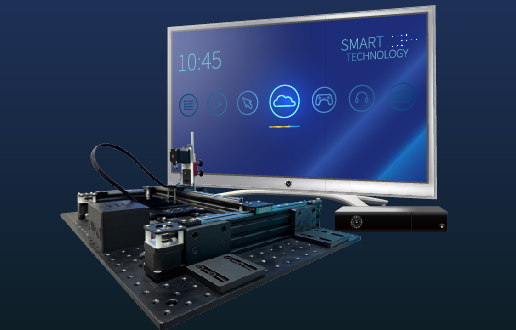
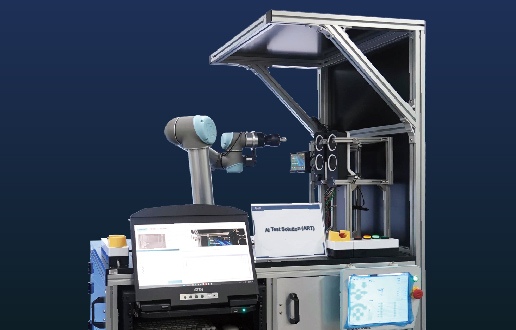
To help automotive customers break through the bottlenecks of manual testing, Allion has independently developed the ART (Allion Robotic Test Platform). This is a comprehensive automation validation platform specifically designed for in-vehicle systems, capable of providing highly efficient and stable End-to-End user scenario simulations within real in-vehicle environments.

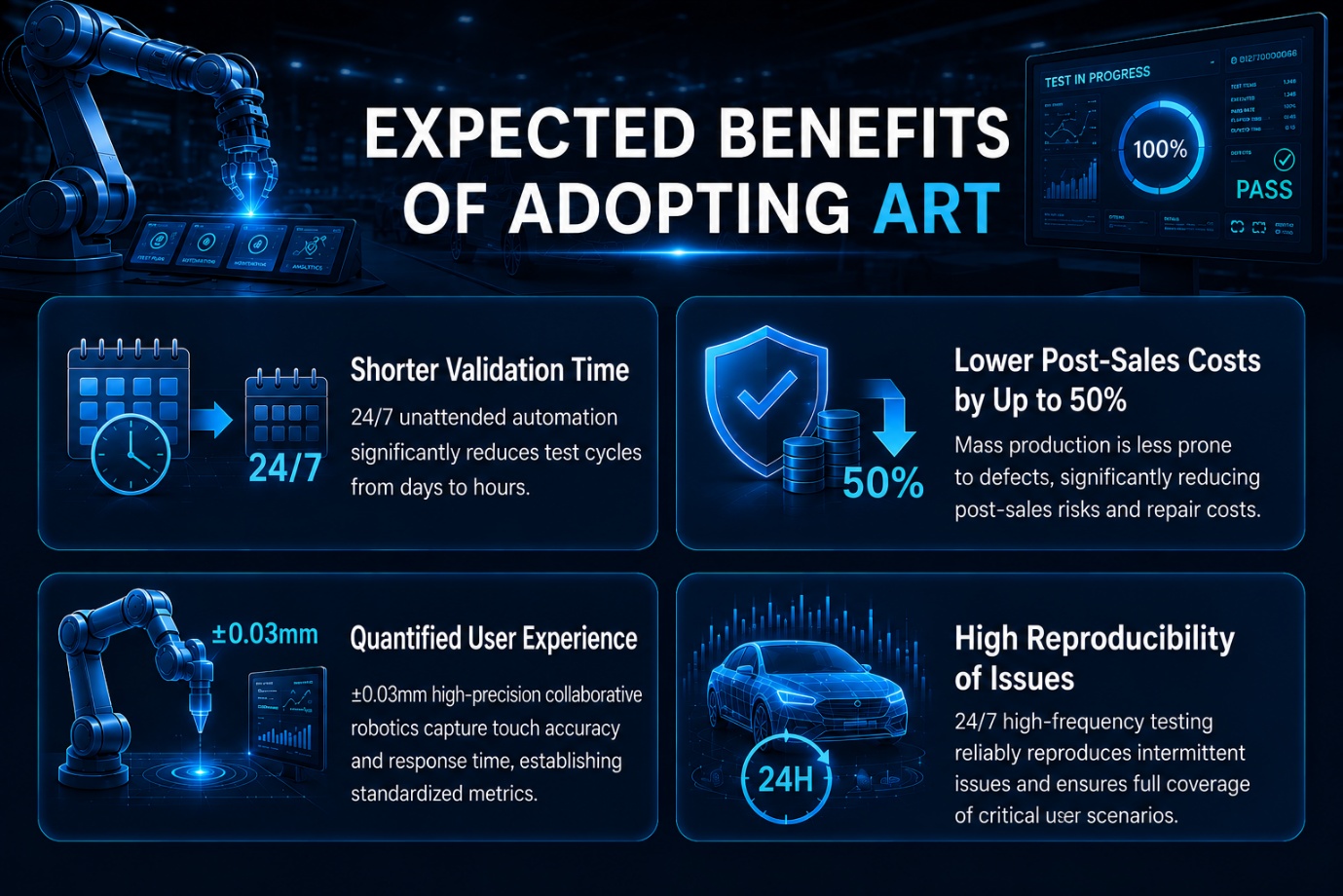
Expected Benefits of Implementing ART

  • Significantly Shortened Regression Time: Through 24/7 continuous automation execution, the validation cycle is reduced from N weeks to N days.
  • 50% Reduction in After-Sales Complaint Costs: By intercepting defects early before mass production, the risk of market complaints and after-sales service costs are substantially lowered.
  • Quantification of Objective UX Data: Equipped with a ±0.03mm high-precision robotic arm, the system establishes standardized data based on milliseconds (ms) and pass rates (%) to replace subjective judgment.
  • High Frequency and Ultra-High Coverage: For high-frequency touch operations and long-term monitoring that are either time-consuming or impossible for humans to perform, ART can reliably execute every item to reproduce low-probability issues early on.

One Comprehensive Solution Covering the Entire In-Cockpit Experience

The Allion ART system integrates physical touch operations, AI visual recognition & judgment, audio analysis, mobile connectivity simulation, and automated report generation into a single platform, achieving full-process end-to-end automation.

Display &
Control Interface Validation

  • Multi-Screen & Diverse Displays: Supports testing for single-screen, multi-screen, curved display, and AR-HUD (Augmented Reality Head-Up Display) setups
  • Hybrid Operations: Supports mixed control operations across touchscreens, physical buttons, instrument clusters, center consoles, front passenger seats, and rear-seat entertainment (RSE) systems.

Connectivity &
Interactive Application Experience

  • Mobile Connectivity: CarPlay, Android Auto, Bluetooth pairing, and mobile device interconnectivity operations.
  • Wireless & IoV (Internet of Vehicles): Wi-Fi connection and mobile hotspot sharing tests.
  • Streaming & Voice: Integrated validation for voice assistants, navigation systems, and audio/video streaming services.

Tier 1 Supplier “Component-Level” Validation
(Test Bench Mode)

Provides deep functional validation for test benches, ensuring the stability of individual systems and modules during the early stages of hardware development and software integration. The standard ART test platform is applicable for this stage.

ART Automated Testing Solution

Automaker (OEM) “Vehicle-Level” Testing
(In-Vehicle Extension)

Stepping into the vehicle-level validation stage, ART provides an in-vehicle test frame that installs directly inside the actual cabin environment for real-vehicle testing. This stage can be paired with customized fixtures and sensors to automate non-screen control functions, achieving a comprehensive automated inspection with seamless hardware and software synergy.

Fixture

  • Operate the buttons on the side of the seat (side window, seat adjustment buttons).
  • Operating the stalk controls elements (turn signals, windshield wipers, etc.)
  • Supports lifting and placing the phone for Qi Charging evaluation.
  • Automated operation of precision control components inside the vehicle

Sensor

  • Measure the distance the seat moves and the tilt angle.
  • Measuring the airflow intensity and temperature at the air conditioner outlet

  • Detect changes in ambient light inside the vehicle
  • Measuring Qi charging coverage

Simulation of Crucial User Scenarios to Fully Meet In-Vehicle System Requirements

With extensive experience in testing automotive systems, Allion has categorized several essential user scenarios and common critical market complaints for in-vehicle systems. These types of issues typically surface only under specific key scenarios combined with prolonged operation or high-frequency triggers. As a result, traditional manual testing is not only unlikely to detect them, but completely rooting them out is practically impossible.

By establishing scripts for these exact scenarios using the ART platform, you can repeatedly simulate user operations to validate critical use cases. This bridges the gaps and limitations of manual testing, effectively lowering the risk of market complaints and reducing debugging pressure.

3 Core User Scenarios

Practical Applications

Users pair their mobile phones with the car’s infotainment system via Bluetooth to make calls while in the vehicle.

Market pain points (Manual testing)

  • Smartphones and the In-Vehicle Infotainment (IVI) system occasionally fail to pair successfully.
  • After turning off the engine and leaving the vehicle, the Bluetooth fails to automatically reconnect upon returning to the car.
  • The other party’s voice cannot be heard clearly during a hands-free phone call.
  • The system fails to synchronize the smartphone’s contact list successfully.

Practical Applications

Users verify audio quality during music playback or phone calls in the car, or operate functions via the voice assistant while driving.

Market pain points (Manual testing)

  • Intermittent music playback or presence of background noise.
  • Choppy call audio with clipped or missing words.
  • Low voice recognition rate, resulting in failure to execute commands correctly.
  • Abnormal audio switching between navigation prompts, music playback, and phone calls.

Practical Applications

System response and fluidity when users perform touch operations.

Market pain points (Manual testing)

  • Interface lag, delayed touch response, excessively long loading time
  • Taking dozens of seconds or even up to a minute to open maps or play music after the vehicle starts.

Hardware-Software × Instrument Integration: The 7 Core Modules of ART

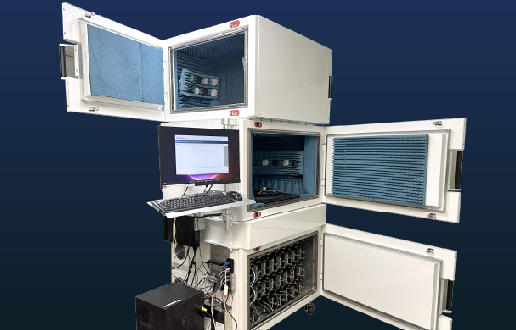
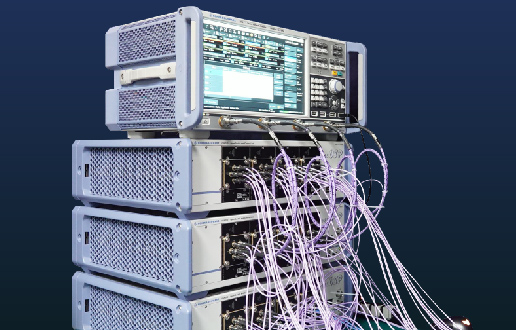
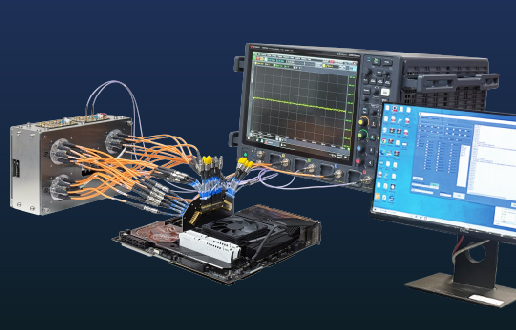
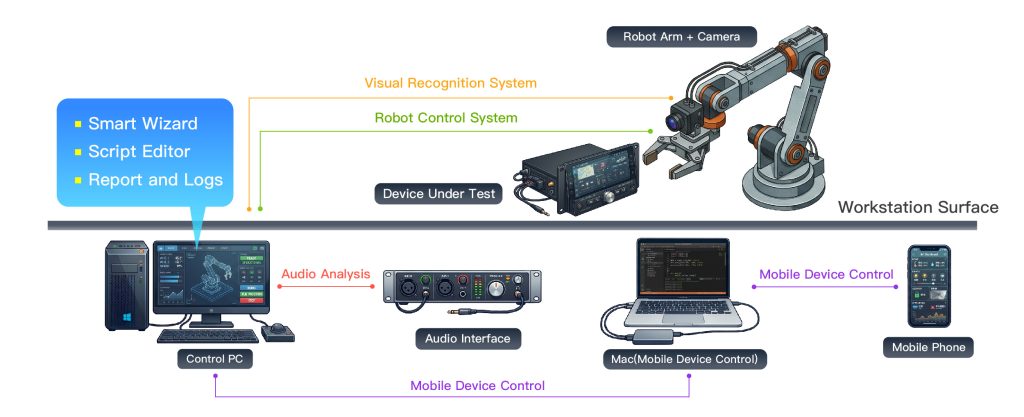
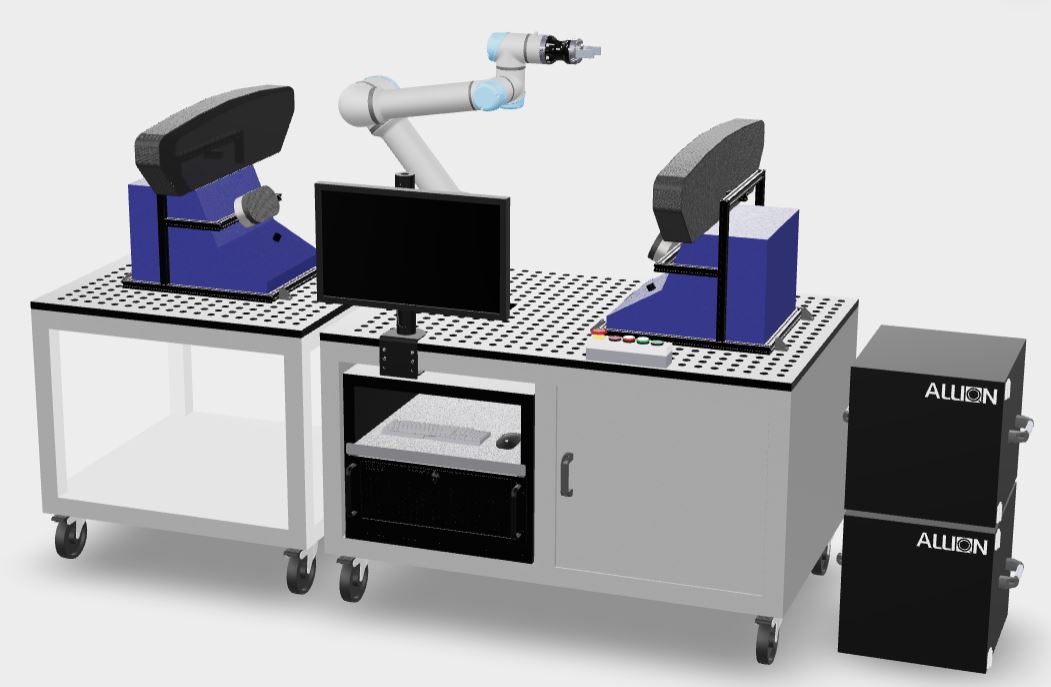
Beyond pure software automation, Allion possesses comprehensive hardware-software integration capabilities backed by customized fixtures and profound signal know-how. For tasks that a robotic arm cannot accomplish alone, we bridge the gap by integrating custom fixtures with professional instruments, delivering a seamless, turnkey solution that spans from signal breakout and instrument control to automated data interpretation. The core system of the ART platform is driven by the following essential technologies; below are the schematics illustrating the overall ART workstation chassis architecture and its connectivity layout.

ART Automated Testing Solution

ART utilizes high-precision robotic arms to simulate actual user operations on in-vehicle displays, physical buttons, and various control interfaces, ensuring that every test action possesses high repeatability and precision.

Supported operation types

Single-finger operation

Tap, Long Press, Double Click, Swipe, Handwrite, Multi – Point Click, Number Keys

Two-finger operation

Zoom In/Out, Rotate, Knob, Two-finger long press

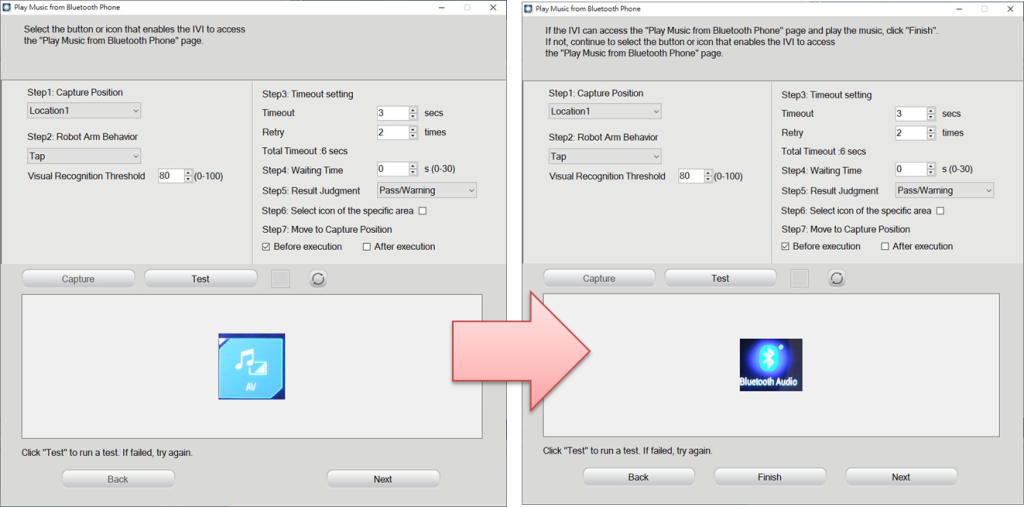
The Smart Wizard guides users through various settings conveniently and quickly, significantly lowering the technical barrier to establishing test scenarios. Test personnel do not need a programming background to quickly complete robotic arm operation setups.

  • Zero-Programming Visual Operation: Following the guidance of the Smart Wizard, users adopt a workflow of “Select Action → Take Photo → Frame Target → Pretest Arm Verification.” The entire setup can be completed through purely visual operations on screenshots.
  • Image-Swap Technology: When encountering different models or product revisions, users only need to replace the target image to execute the test directly, completely eliminating the need to modify the test script.
  • AI Semantic Support: Supports Chinese, English, and Japanese interfaces for applications like Google and Apple Maps. By simply entering the text “Map”, the system will automatically locate the icon and click it.
ART Automated Testing Solution

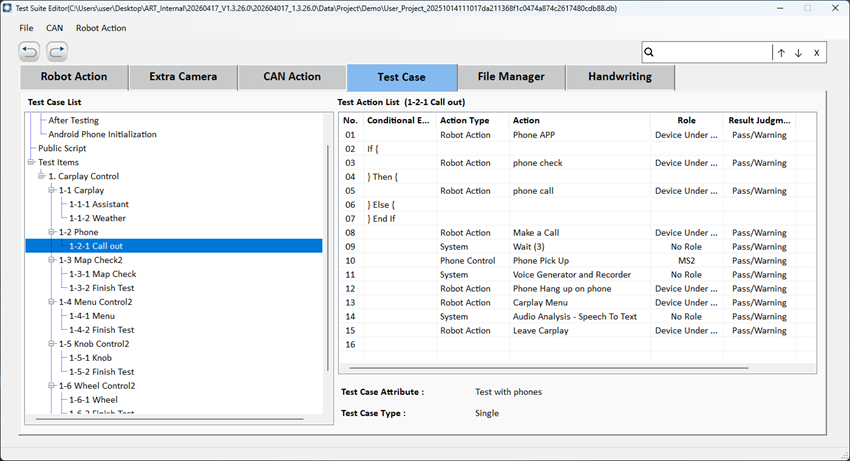
After quickly recording robotic arm movements using the Smart Wizard module, users must utilize the ‘Test Suite Editor’ to combine and create a complete Test Case sequence. Allion has modularized robotic arm movements, enabling users to quickly configure arm actions, mobile operations, and system parameters without writing any additional test scripts.

ART Automated Testing Solution

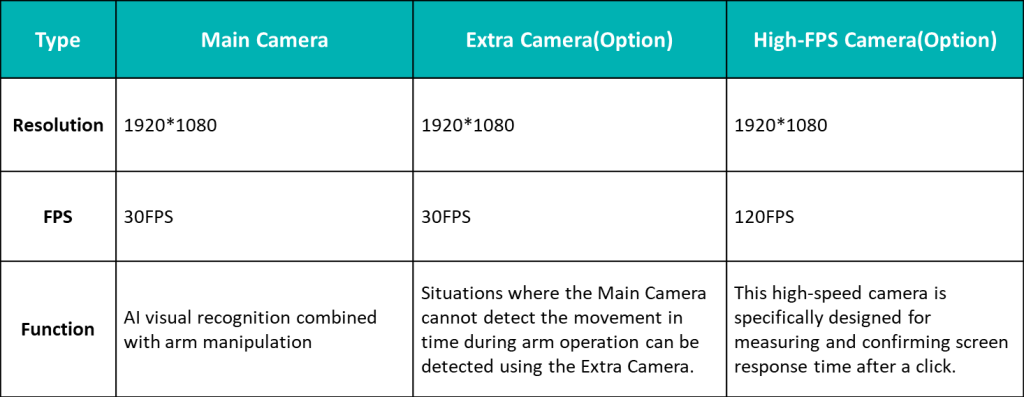
It compares the detected images with the image database to identify objects, images, or text and respond accordingly. This visual recognition system is particularly suitable for tasks that exceed the visual capabilities of the human eye, such as long-term monitoring and identifying images that last for only a few milliseconds.

Detection Capabilities

ART Automated Testing Solution

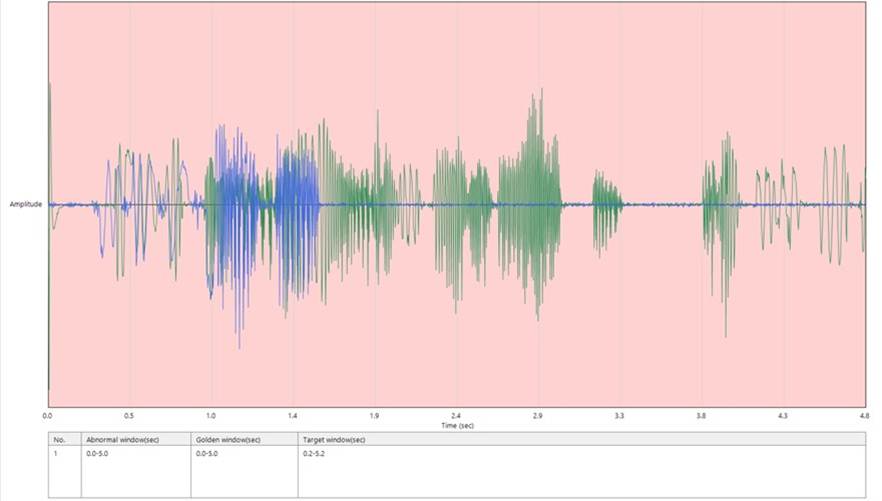
Fully covering the detection of head unit pain points such as low voice recognition rates, intermittent music playback, and abnormal audio switching, the audio analysis module supports the following functions:

  • Speech to text
  • Audio Distortion Detection
  • Audio Volume Check
  • Audio Volume Compare
ART Automated Testing Solution

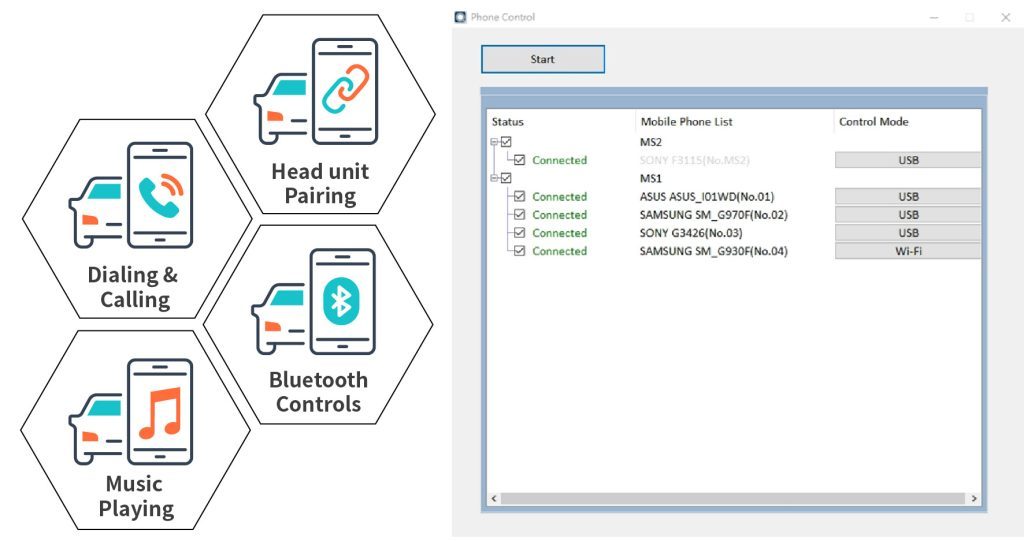
ART allows for smartphone operation (Android & iOS) via DCS, realistically simulating the interaction between a driver’s phone and the vehicle’s infotainment system. Functions include Bluetooth connectivity, music playback, phone calls, and voice assistant functionality.

ART Automated Testing Solution

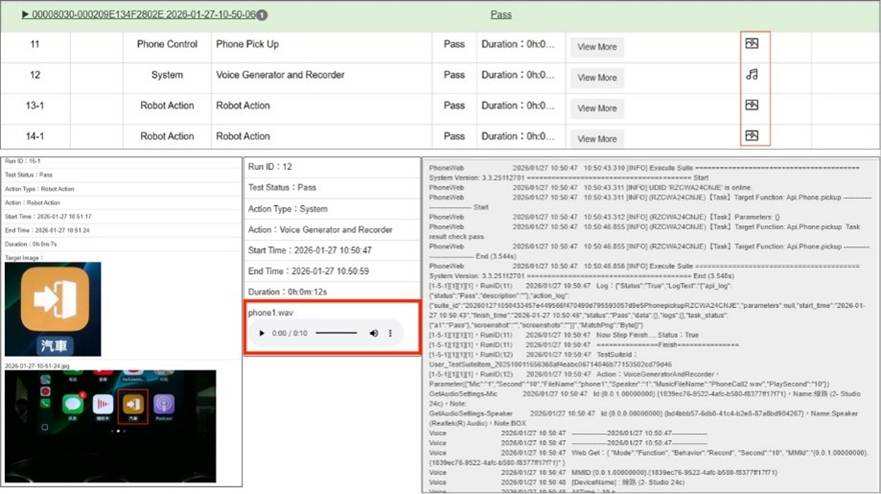
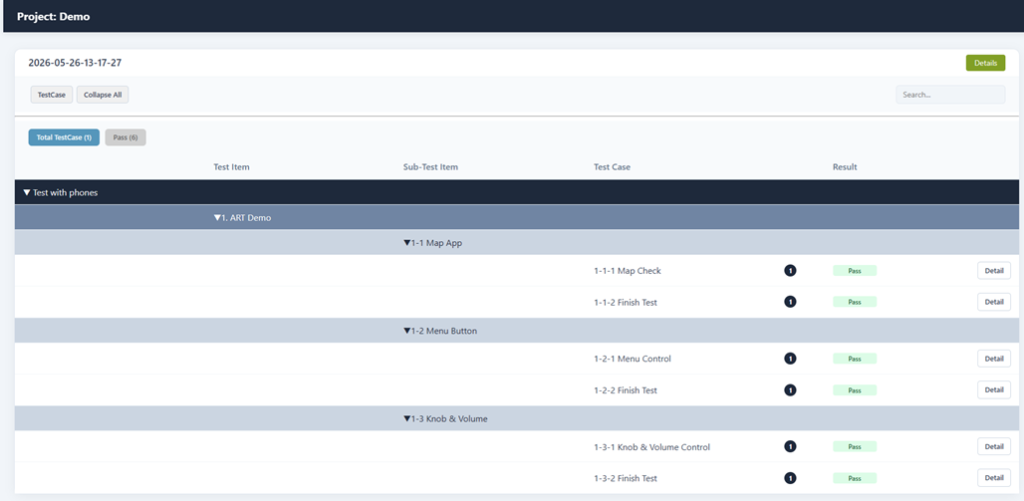
During the testing process, the ART system automatically records the entire execution history, generating visual and cross-computer compatible HTML test reports. The reports fully include test screenshots, critical audio files, and detailed logs, ensuring that all test results are 100% traceable.

ART Automated Testing Solution

Value-Added Services and Optional Expansion Features

Allion not only provides standard automation suites but also leverages profound domain know-how to deliver consultant-driven, long-term partnership services with a “phased implementation” approach:

Value-Added Services

  • I.A.D Issue Analysis and Debugging: We do more than just identify issues. Through logs, screenshots, audio files, and traces, we perform professional positioning and Root Cause Analysis (RCA), providing actionable troubleshooting recommendations and prioritization to empower your RD team.
  • Comprehensive Consulting and Dispatch Services: We provide test scenario planning, script writing strategies, customized feature development, on-site engineer dispatch services, and professional equipment rental.

Optional Extensions

Extension Modules
Function Description
Signal control box Integrated signal control, controlling multiple channels of signals such as power supply, voltage, current, and frequency.
Bluetooth packet capture
and integration
It can be integrated with the Ellisys Vanguard Bluetooth analytics system (hardware/software sold separately ) to monitor and capture Bluetooth packets, and can also be customized to support other Bluetooth tools.
Fixture development Customized fixtures include seat adjustment, wireless charging, air conditioning vents, steering wheel light/wiper stalk controls, etc.
HIL Integrated Control Supports CANoe /CANalyzer communication, and controls CAN signals through a Vector COM Server.
USB port switching
(USB Port Switch)
Supports USB-C 3.1 and USB-A 3.1, with one-to-four switching control.
High frame rate long recording 120fps camera recording, recording the longest test process footage, supports 2TB of storage.
Contextual video surveillance 2MP/1920×1080/30fps full-process monitoring and recording, passively recording the test scenario and environment.
Safety sunshade
Provide security protection for the testing environment and establish a virtual security isolation barrier.

加值服務與擴充功能

除了標準套件之外,百佳泰還可提供多元的加值服務與不同的選配擴充功能,進而滿足不同 IVI HMI 測試情境的客製化需求。

加值服務

  • 顧問服務:提供測試情境的規劃、測試腳本的設計與編寫,協助客戶建立最佳測試策略。
  • 客製化開發:針對客戶的特殊需求,提供客製化功能模組開發與整合。
  • 人員派遣:包含人力派遣服務,由百佳泰專業工程師協助客戶現場執行測試任務。
  • 設備租賃:提供 ART 系統及相關配件的租賃服務,協助客戶彈性完成測試任務。

擴充功能

ART Automated Testing Solution

Implementation Process:
Get Started Quickly in 4 Stages

Phase 1 Evaluation

Allion’s professional team provides a complimentary on-site assessment.

Phase 2 Installation

High-efficiency shipping, hardware installation, and system integration.

Phase 3 Acceptance

Rigorous acceptance testing, with the warranty activating immediately upon sign-off.

Phase 4 Training

16 hours of comprehensive training provided to ensure test personnel seamlessly transition and get up to speed.

Are You Ready For Automotive High-performance Computing in Future Smart Cars?

Ready to See It in Action? Book a Demo or On-Vehicle PoC Today!

Seeing is believing. Experience our no-code test recording and automated execution workflow on your own vehicle,
while our experts provide customized recommendations tailored to your vehicle’s HMI layout and testing needs. 

QA Form