USB Charging Ecosystem Consulting and Product Complaint Support
From USB PD specification analysis and charging compatibility validation to issue analysis and customer complaint support, Allion provides end-to-end consulting for the USB charging ecosystem. We help customers identify potential risks before product launch, reducing development costs and the cost of resolving field issues.
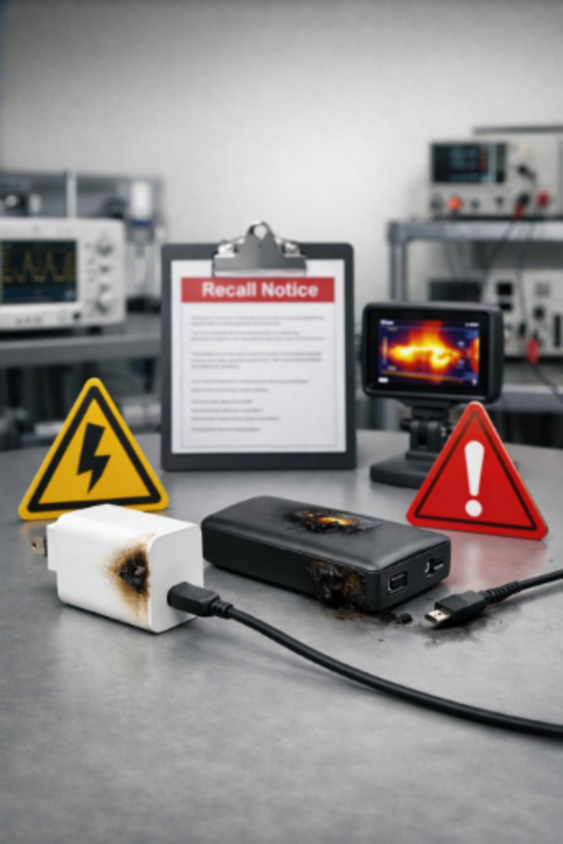
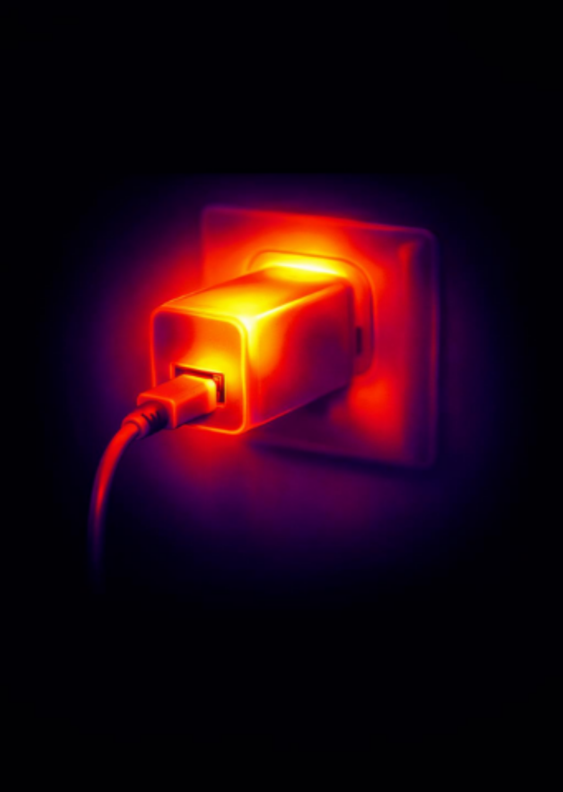
USB certification primarily verifies compliance with defined standards. In real-world use, however, different combinations of chargers, cables, and devices can still expose compatibility issues with USB PD or proprietary fast-charging protocols. These issues may lead to charging failures, customer complaints, or even product recalls, putting OEM margins and brand reputation at risk.
Real-World Recall Cases
Belkin recalled its charging dock and power banks (Nov 2025) for overheating risks; VEEKTOMX recalled 8,000 power banks (Apr 2026) with 3 fire incidents reported.
The “Compliance” Myth
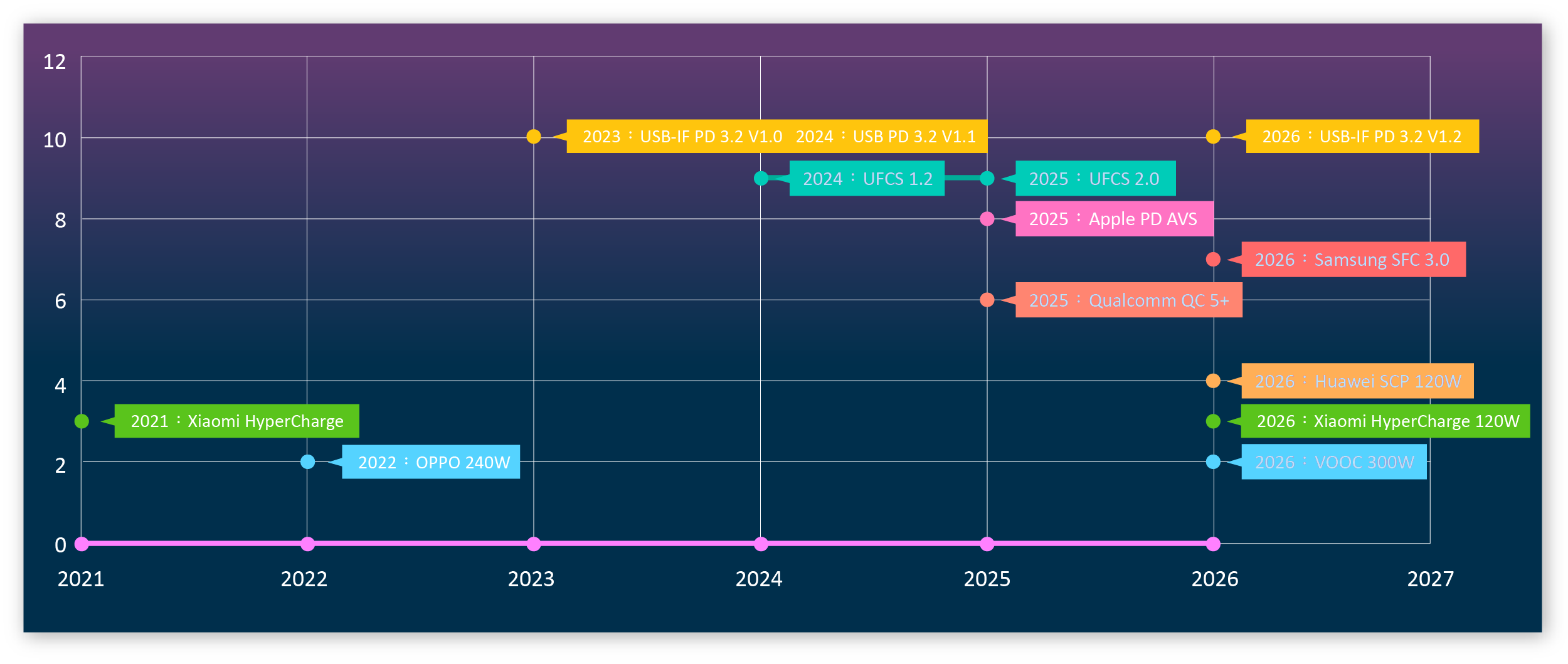
USB PD is fast and universal, but proprietary fast-charging standards (Apple PD AVS / Samsung SFC 3.0 / Huawei SCP) can still outperform PD in thermal management and sustained charging efficiency—driving differentiation in a $4.09B market (2025) growing to $9B by 2030.
Real-World Blind Spots
Pass/Fail testing misses multi-device power redistribution conflicts, prolonged thermal throttling, and protocol handshake failures.
In real-world use, different devices, chargers, and usage patterns can reveal USB charging issues that standard testing may not uncover. These can include charging failures, overheating, and unexpected behavior when multiple devices are charging, all of which can increase the risk of returns and RMAs.
Multi-Device Power Drop
Plugging in a second device forces hard power redistribution, interrupting fast charging or triggering a hard reset –users perceive this as “charger malfunction,” generating returns and one-star reviews.
High-Load Thermal Throttling
Prolonged full-load charging triggers thermal protection, drastically reducing power output while the charger surface becomes uncomfortably hot –safety concerns spread across social media.
Protocol Handshake Failure
Third-party chargers lacking specific protocol support fail to trigger proprietary fast charging modes like Samsung SFC or Huawei SCP, resulting in minimum-rate or failed charging.
Market Insights & Outlook
Proprietary Charging Protocols
There are more than 8 other special charging protocols in the global smartphone market —each with unique handshake logic that a single PD certification cannot cover.
Key Insight 75%
Standard USB PD enables fast, widely compatible charging, but it often cannot match the peak efficiency and thermal optimization of proprietary smartphone fast-charging protocols such as Apple PD AVS, Samsung SFC 3.0, or Huawei SCP. These vendor-specific solutions may deliver better temperature control and higher sustained charging performance.
Apple PD AVS 20% | Samsung SFC 3.0 19% | Xiaomi HyperCharge 13% | OPPO/Realme/OnePlus Super VOOC 11% Vivo FlashCharge 8% | Huawei/Honor SCP 120W 4% | Others 25%
Also covered: CAICT UFCS 2.0 (China unified fast charging standard) and Qualcomm QC 5+ (cross-brand platform solution)
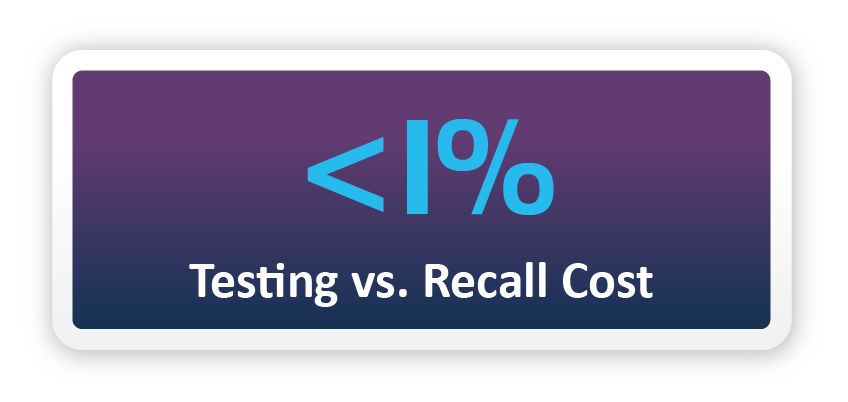
Avoid 100% Hidden Costs with Just 1% Investment
The math is clear — investing in pre-market testing delivers returns that far exceed the cost, while the cost of inaction can be catastrophic.
A defect caught at prototype costs $100-$500 to fix. Post-production: $1,000-$5,000 per unit.
Post-launch: $3,000-$15,000+ per unit including recalls, logistics, and brand damage.
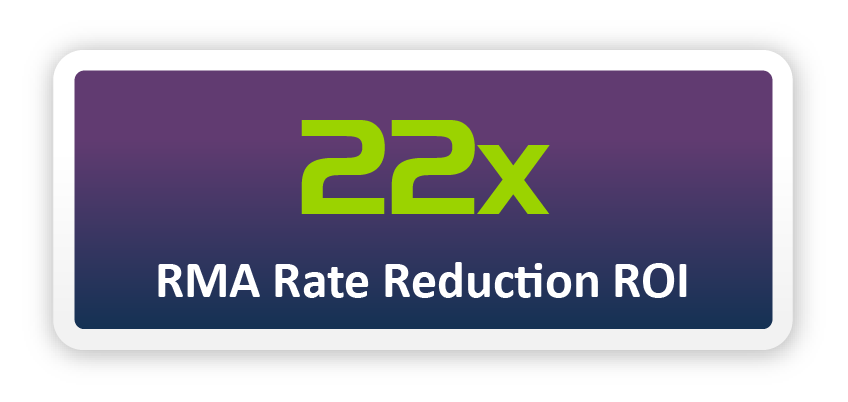
OEM shipping 100K units/yr: RMA drop from 5% to 2% = 3,000 fewer returns.
At $50 unit + $25 handling = $225,000 saved annually. Tier 3 investment: $10,000.
A 100K-unit recall costs $2.5-$3M direct + $1.3M notification + $300K-$1M legal + 20-60% revenue loss for 3-12 months.
Allion Tier 4 Comprehensive: $20,000.
21% permanently abandon brand 55% reduce purchase frequency 8-12% avg. brand value decline
Recovery takes 18-36 months after a recall
Allion USB Charging Ecosystem Consulting Service
PHASE 1 Comparative Analysis
Benchmarked against “Golden Samples” with charging curve and power output comparison.
PHASE 2 User Scenario Stress Tests
Rigorous multi-device charging power allocation logic testing, simulating real user operation sequences including plug/unplug order and fast charge switching, plus in-depth temperature curve and charging efficiency analysis.
PHASE 3 Issue Debug & Analysis
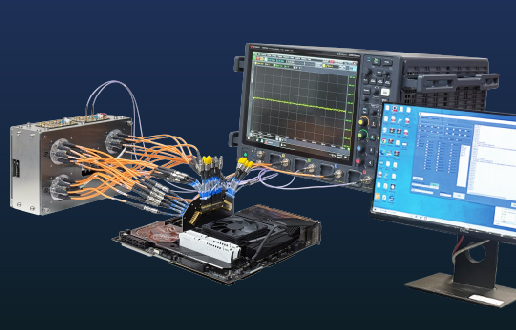
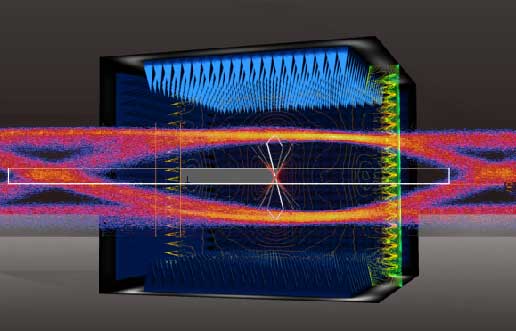
USB PD message sequence decoding, step-by-step protocol handshake inspection and oscilloscope-captured voltage/current waveforms to identify anomalous spikes.
PHASE 4 Conclusion
Comprehensive product charging Capability assessment with consolidated findings, specific improvement recommendations, priority ranking, and estimated benefits.
Service Architecture
From basic testing and advanced validation to user scenario testing and certification support, Allion provides USB charging consulting services aligned with each stage of product development and its specific validation needs.
Tier
Tier 1 Quick Check
Tier 2 Advanced
Tier 3 Experience
Tier 4 Comprehensive
Pricing
$4,000
$7,000
$10,000
$20,000
Business days
3–5 days
5–7 days
7–10 days
10–15 days
Support
Baseline validation report benchmarked against Golden Sample.
Complete protocol decoding report, thermal and charging curve analysis.
Real-world user scenario test report, multi-device charging logic stress test.
Specification checks, IDA deep analysis, USB certification assistance, third-party endorsement report
Use Cases
New product prototype validation, supplier incoming material screening.
In-depth validation during EVT/DVT
product stages
Final validation before mass production (PVT stage)
Flagship launches, new markets.
ROI Value
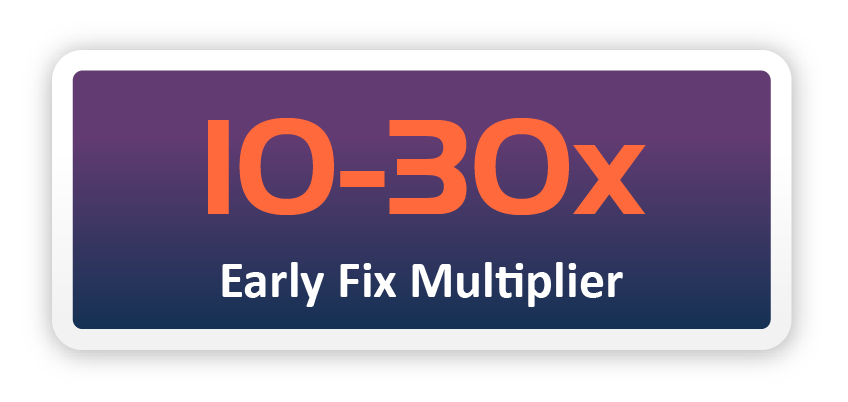
Catch critical issues early in R&D, avoiding late-stage costs. (typically 10-30x the cost of early fixes)
One-stop certification and quality validation for market entry.
Extended Support
For USB charging issues and RMA cases that arise after product launch, Allion provides issue reproduction, measurement and analysis, and practical recommendations for improvement. This helps customers pinpoint problems, identify potential causes, and shorten the time needed for debugging and quality improvements.
Phase
Phase 1
Issue Reproduction
Phase 2
Debug Files Support
Phase 3
Root Cause Analysis
Phase 4
Actionable Solutions
Service
Reproduce customer-reported charging anomalies in Allion’s laboratory environment.
Provide complete protocol capture files, waveform data, and system logs,
Deep analysis of hardware design, firmware logic, protocol implementation defects
Specific corrective actions and verification methods with preventive measures.
Deliverable
Issue reproduction report with environmental conditions and trigger steps.
Structured debug data package for direct R&D analysis.
Root cause analysis report with complete technical evidence chain.
Corrective action report with implementation steps and verification criteria.
Indicative
Pricing
RMA Rescue Basic (Phases 1-2) $1,000 – $5,000
RMA Rescue Resolve (Phases 3-4) $12,000 – $20,000
Service Architecture
A four-tier service architecture — from baseline validation to comprehensive certification, each tier with clearly defined deliverables, timelines, and ROI.
Extended Support
Post-launch emergency rescue solution — transforming RMA crises into systematic quality improvements, with transparent pricing for rapid response.
On-Demand RMA Rescue — Corrective Actions for In-Market Product Emergencies.
Expedited 48-hour triage available at premium rate
Why Choose Allion?
While conventional third-party testing focuses on compliance with USB charging standards, Allion goes further by validating how products perform in real-world use. Through in-depth issue analysis, we identify potential risks early, helping customers accelerate time-to-market, reduce RMA and customer support costs, and deliver more competitive products.
OEM-Level Performance
Elevate your product to match or surpass the charging performance of Apple and Samsung original chargers.
Accelerated Time-to-Market
Debug before mass production to eliminate costly production line revisions; avoid production halts and recertification costs.
Weaponized Marketing
Transform Allion certification into your strongest market differentiator.
OEM-Level Performance
Elevate your product to match or surpass the charging performance of Apple and Samsung original chargers.
Accelerated Time-to-Market
Debug before mass production to eliminate costly production line revisions; avoid production halts and recertification costs.
Weaponized Marketing
Transform Allion certification into your strongest market differentiator.
OEM-Level Performance
Elevate your product to match or surpass the charging performance of Apple and Samsung original chargers.
Accelerated Time-to-Market
Debug before mass production to eliminate costly production line revisions; avoid production halts and recertification costs.
Weaponized Marketing
Transform Allion certification into your strongest market differentiator.
Our Advantage
Founded in 1991, Allion is a global engineering consulting leader with over 2 million projects delivered and a USB-IF Authorized Independent Test Laboratory.
Faster Validation & Resolution
Identify and resolve charging compatibility issues before mass production.
USB PD compatibility or certification testing is an important baseline, but its scope does not guarantee the complete user experience across every phone, cable, firmware version, and real-world condition. Issues often arise from power reallocation during multi-port charging, different cable or E-Marker combinations, thermal behavior and power derating under sustained high load, or protocol renegotiation between devices. If these conditions are not sufficiently validated before launch, they may lead to charging interruptions, failure to reach the advertised fast-charging rate, repeated reconnection, or excessive perceived heat—ultimately increasing the risk of complaints and returns.
Open standards include USB Power Delivery (USB PD), PPS, UFCS, and Qualcomm Quick Charge 5. Depending on the target market and product positioning, brand or ecosystem implementations may include Samsung Super Fast Charging/Super Fast Charging 2.0, Xiaomi HyperCharge, OPPO/OnePlus/realme VOOC/SUPERVOOC, vivo FlashCharge, and Huawei/HONOR SuperCharge. Validation should cover more than successful handshaking; it should also assess achievable power, negotiation stability, cable dependency, multi-port behavior, and sustained charging performance.
The following three scenarios typically have the greatest impact:
Simultaneous multi-device charging:** When a second device is connected, the charger reallocates power and may cause the first device to pause charging briefly, reduce charging speed, or renegotiate power.
Sustained high-load charging:** Under high ambient temperatures or full multi-port load, the product may activate thermal protection or power derating to maintain safety. If the temperature rise or derating behavior does not meet user expectations, consumers may perceive the charger as slow or excessively hot.
Device, cable, and protocol compatibility differences:** A charger may not activate a device’s highest charging mode and may fall back to a compatible USB PD, PPS, BC 1.2, or lower-power profile. In some combinations, repeated negotiation or unstable charging may also occur.
When an internal team cannot reproduce a charging issue, identify the root cause, or expand validation before mass production, Allion Labs can provide interoperability validation and problem-investigation support. Depending on project needs, the service may cover multi-brand devices, cables, and multi-port usage scenarios, using protocol analysis, power measurement, thermal and derating observation, cable and E-Marker checks, and electrical waveform measurement where appropriate.
Fill it in and talk to our most experienced experts Leave your details and ask us anything!
Allion uses cookies and shares data with Google Ads and LinkedIn for analytics and ads. Data is retained up to 6 months. See our Privacy Policy for details. Do you consent?AcceptDecline