





















As a CSP (Cloud Service Provider) or brand owner, have you ever faced this dilemma? ODM test reports appear flawless, yet once the product is deployed in a data center—and the rack door is closed—unexplained jitter and intermittent link failures begin to occur.
This gap often stems from an overlooked reality: what thrives in the lab does not always survive in the real world.
Solution InquiryThe Hidden Cost: The Overlooked Truth of “Closed-Chassis” Reality
In high-density data center racks, servers operate under elevated temperatures, enclosed conditions, and controlled airflow.
ODM’s “Lab Illusion” vs. Your “Real Battlefield”
Traditional ODM SI validation is typically conducted under:
- A controlled environment (25°C, low humidity)
- Open chassis configurations for easy access
This is equivalent to testing an off-road vehicle on a flat racetrack! The data looks impressive, but once your equipment enters the high-frequency interference and extreme thermal cycles of a real data center, those reports lose their relevance.
Case Study: How Environmental Stress “Consumes” Signal Integrity
Based on Allion’s testing of PCIe Gen5 servers, we discovered a startling contrast:
Ideal vs. Reality
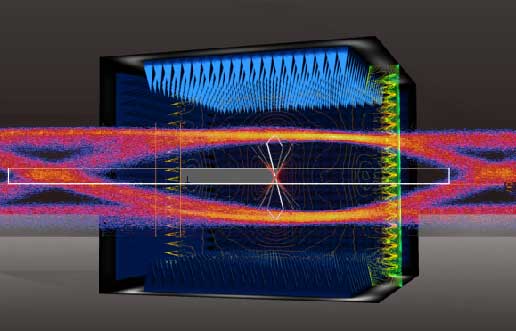
Data shows that signal performance under “Real-World Conditions” is consistently lower than standard “Compliance Results.”
Lane-Specific Sensitivity
In Slot 2, while Lane 0 remained relatively stable, Lane 15 experienced an Eye Height degradation exceeding 60mV under real thermal/humidity stress—a trend that worsened the longer the system remained powered on.
Hidden Minefield Warning
Compared to the minor 15-20mV degradation seen in other lanes, the drastic fluctuation in Lane 15 indicates a severe SI risk. If this issue is not identified via “Closed-Chassis Testing” before mass production, it will inevitably manifest as frequent transmission errors at the customer site.

UES: Defining a New Standard for “Golden Validation”
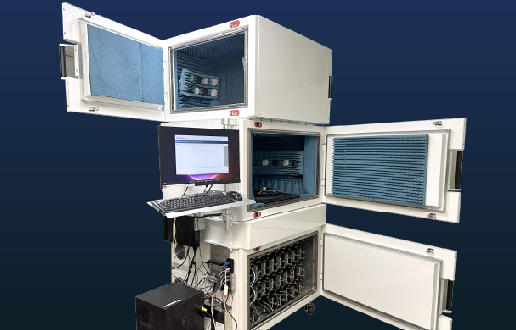
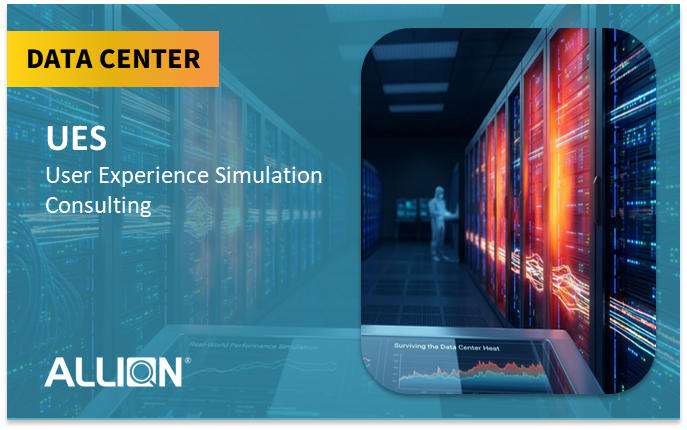
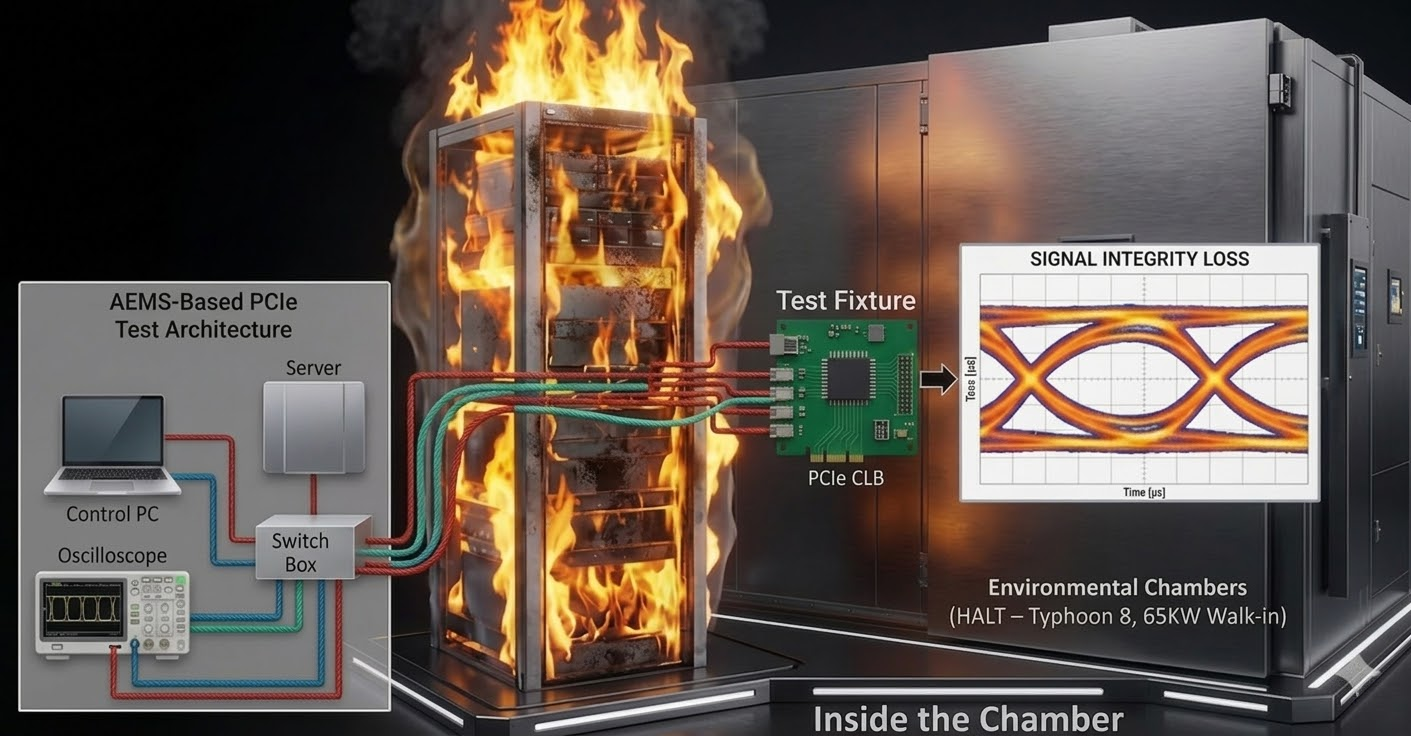
Our UES (User Experience Simulation) Golden Methodology was created to shatter the lab illusion. We don’t chase polished lab data; we pursue “survival data.” By measuring performance inside a thermal chamber without opening the chassis, we capture the true behavior of the product under extreme conditions.
The core value of UES lies in “Burn & Measure”: allowing the server to undergo high-load operation (Burn-in) while simultaneously performing signal measurements. This precisely captures the dynamic degradation of signals as temperatures rise.
AI Automation & Patented Fixtures: The Final Mile in Eliminating Human Error
To achieve this, Allion provides a unique Golden Methodology testing framework centered on:
1. AEMS Automated Testing System
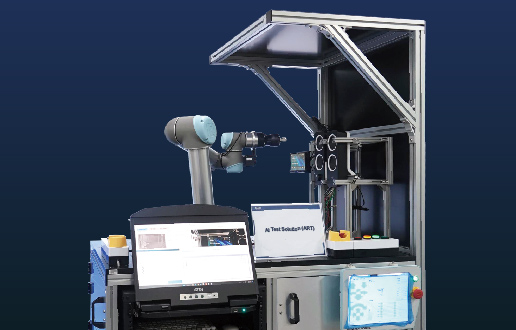
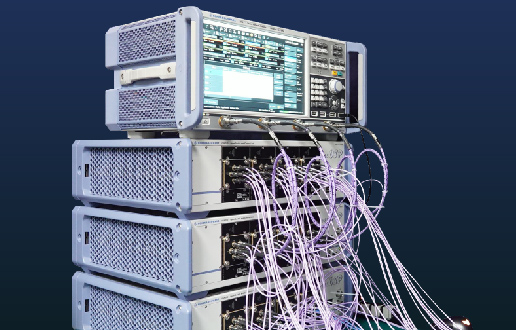
Within the harsh environment of a Thermal Chamber, manual operation is impossible. Our AEMS automation system scans every PCIe lane and every preset automatically, without disrupting temperature control or requiring a reboot. While standard PCIe compliance typically validates only 3 lanes with a single preset, AEMS provides comprehensive risk coverage.
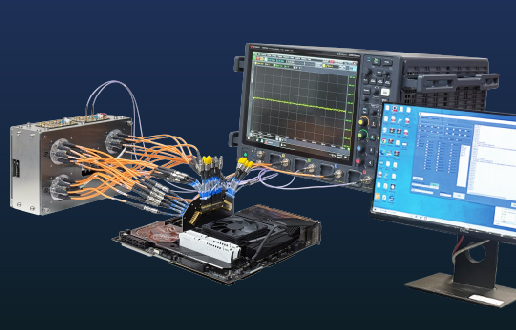
2. Customized Fixture Design
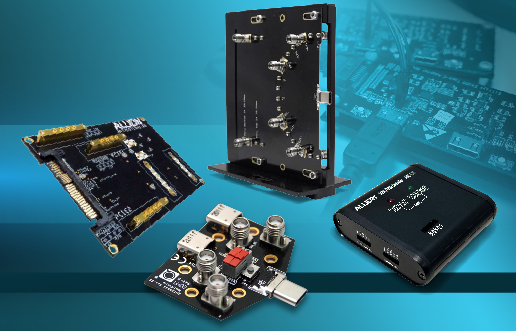
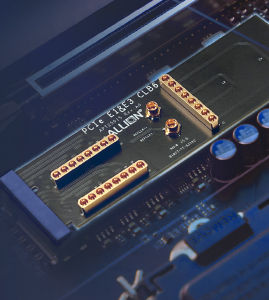
Purpose-built fixtures allow direct access to internal high-speed signals without opening the chassis or altering airflow, ensuring true system-level validation.
3. AI Automation (Result Consistency)
Eliminates human-induced variability, ensuring identical results across repeated tests—100 tests, 100 consistent outcomes.
What This Means for You (Buyers)
Adopting our solution delivers more than testing—it provides confidence in your decisions:
Transparency in Decision-Making
No more uncertainty about ODM reports—data reflects real operational conditions.
Reduced Recall Risk
Thermal-related failures are identified and eliminated during development, safeguarding your brand reputation.
Accelerated Time-to-Market
Automation significantly improves validation efficiency, removing bottlenecks in project timelines.
The Final Verdict for Product Acceptance
We advocate making UES methodology a mandatory criterion for product acceptance.
Passing compliance testing is only the baseline. True competitiveness in AI servers lies in stable performance within high-temperature, closed-chassis environments.
「If a product does not pass UES real-world validation, it should not be considered production-ready.」 This standard empowers you to enforce supplier quality and ensures that every server deployed continues to deliver peak performance—even after the data center rack door is closed.
If you encounter challenges during product development, testing, or certification, please contact us via the online form. Allion is ready to provide tailored solutions to help your products stand out in a competitive market!