















Automotive Ecosystem & Application Consulting
Related Links
Automotive Consulting
Certification & Connectivity

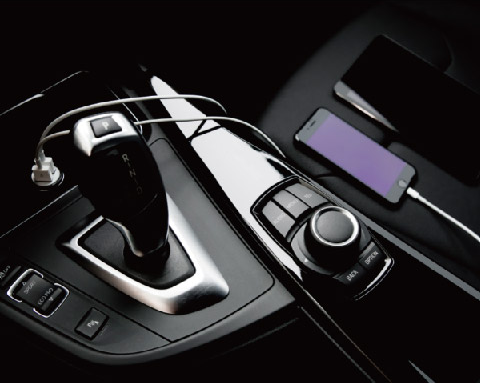
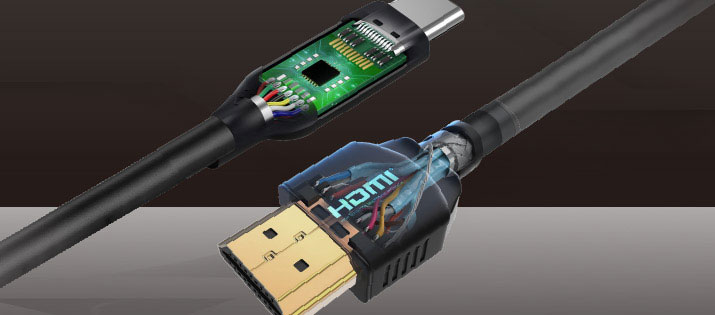
With the development of smart driving and in-vehicle infotainment systems, demand for high-speed data transmission is growing exponentially. Current mainstream high-speed/high-frequency bus technologies include Automotive Ethernet, MIPI (Mobile Industry Processor Interface), PCIe (Peripheral Component Interconnect Express), and USB (Universal Serial Bus), which are widely used in high-bandwidth applications such as data transmission, high-definition displays, and in-vehicle diagnostics.
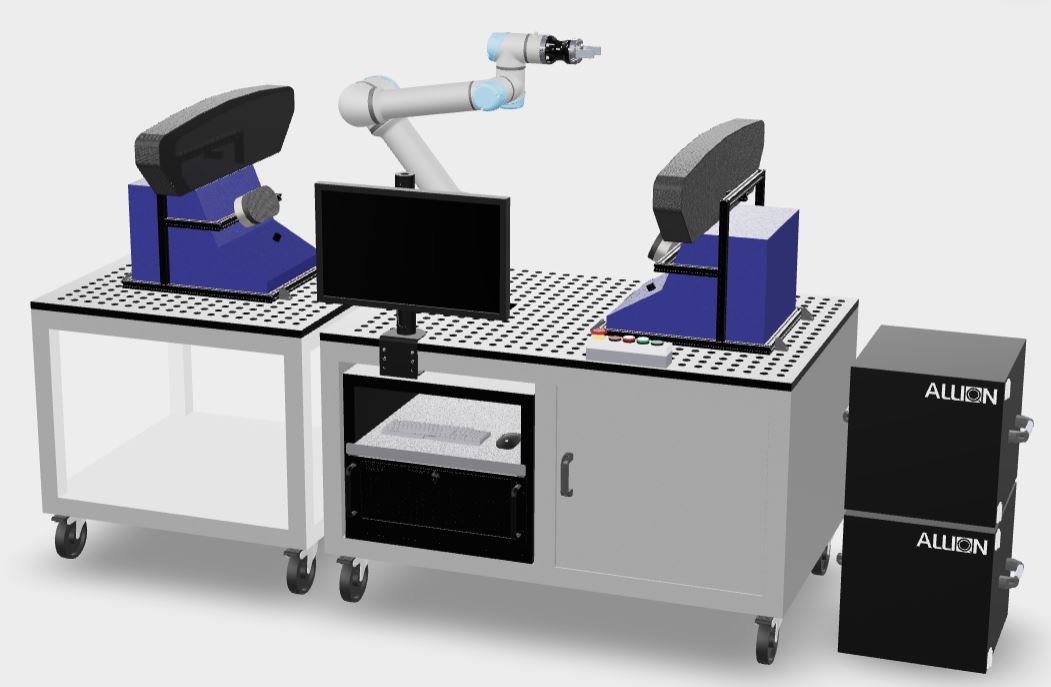
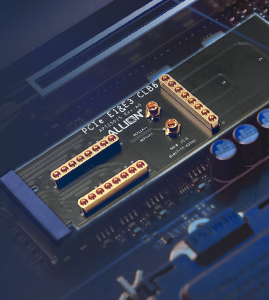
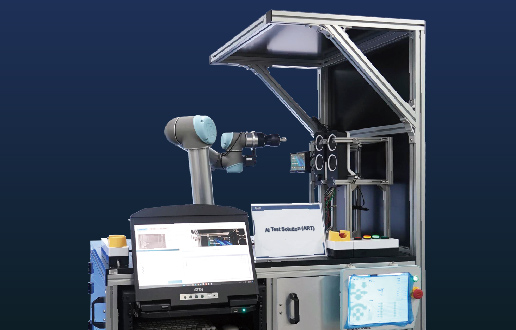
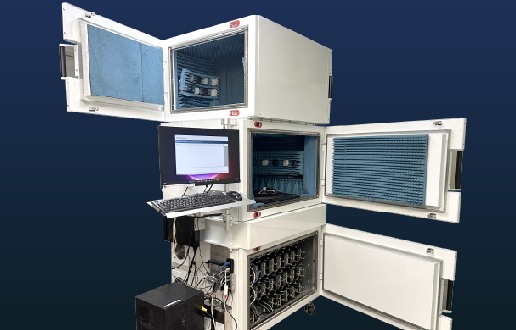
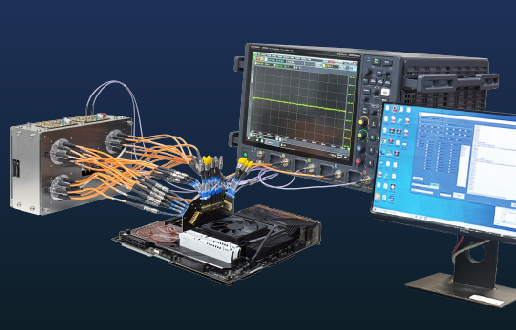
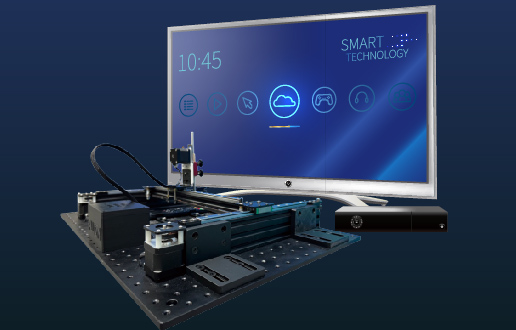
Instead of arranging separate equipment, test fixtures, and testing resources for each automotive interface, manufacturers can rely on Allion’s more than 30 years of testing and validation experience. By integrating professional measurement equipment, test fixtures, and debugging consulting capabilities, Allion provides one-stop high-speed signal validation support for automotive head unit products, helping manufacturers shorten testing time and improve product quality.
InquiryAllion operates more than 30 certification laboratories authorized by international standards organizations and maintains over 20,000 advanced test instruments, supporting signal measurement needs across a wide range of automotive interfaces. Combined with technical training and debugging recommendations, Allion helps manufacturers understand test specifications, identify issues, and determine corrective actions, reducing the number of samples required and improving validation efficiency.
| Service Capability | Allion’s Support | Customer Benefit |
| Comprehensive testing resources | More than 30 certification laboratories authorized by international standards organizations, supported by over 20,000 advanced test instruments and systems | Access validation resources for multiple interfaces and standards through a single service provider |
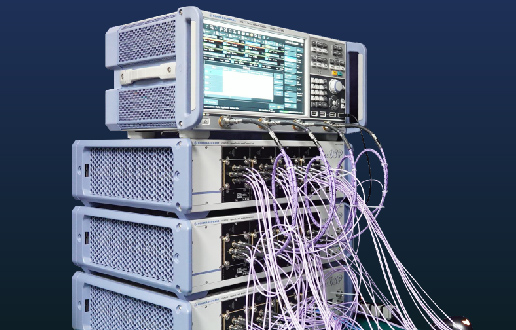
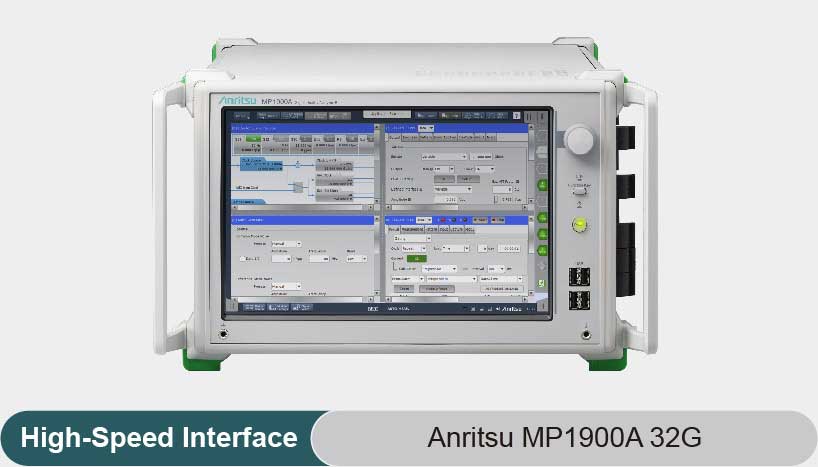
| Professional measurement environment | Oscilloscopes, bit error rate testers (BERTs), network analyzers, and USB Power Delivery test equipment | Receive measurement and validation support tailored to the product interface and applicable test requirements |
| Technical training | Technical training on specifications and testing requirements | Help engineering teams understand applicable standards and technical requirements |
| Debugging support | Expert analysis and debugging recommendations for issues identified during testing | Identify root causes and determine corrective actions to meet product quality requirements |
| Overall value | One-stop testing, validation, and technical support | Reduce the number of test samples required and shorten testing time by 50% |
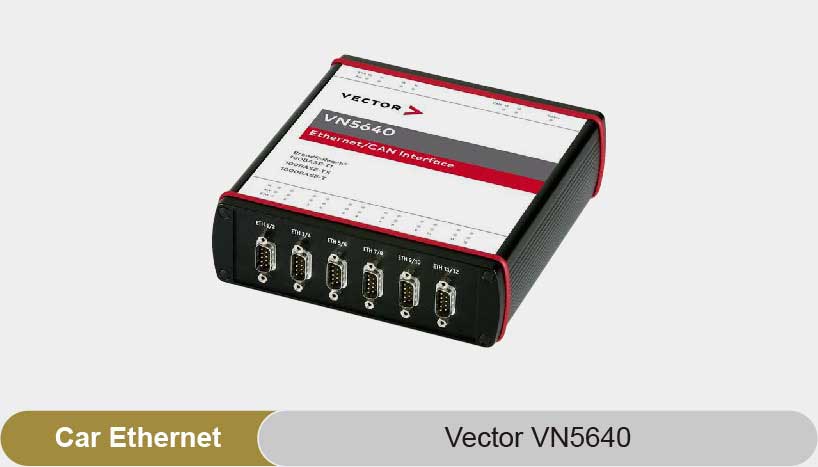
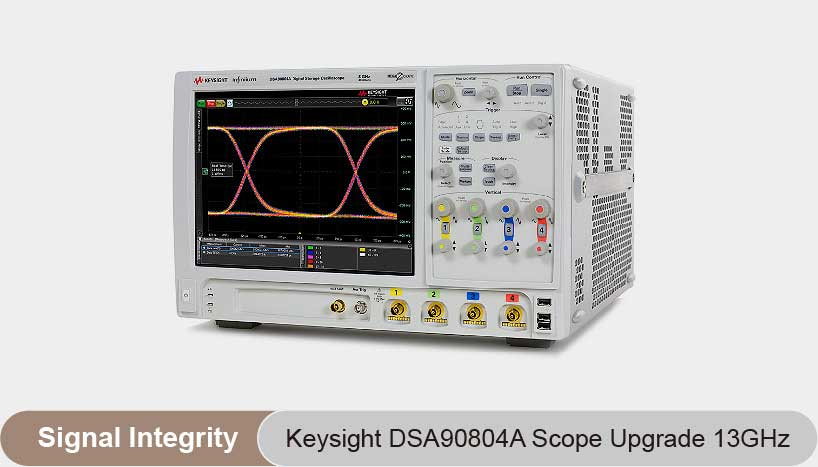
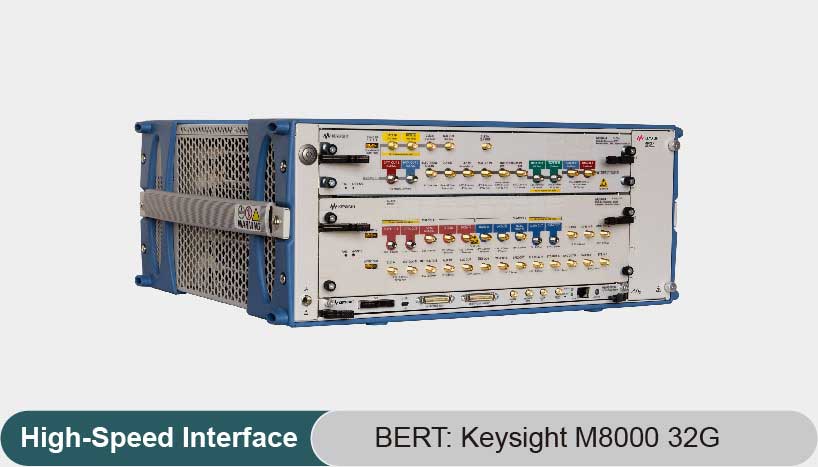
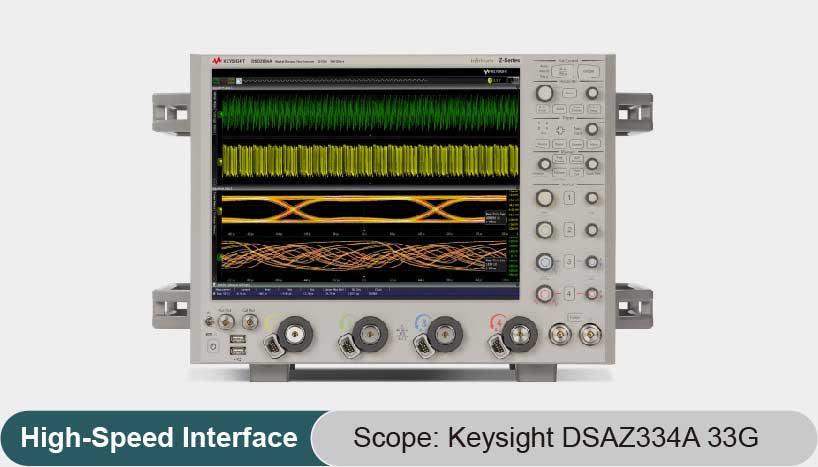
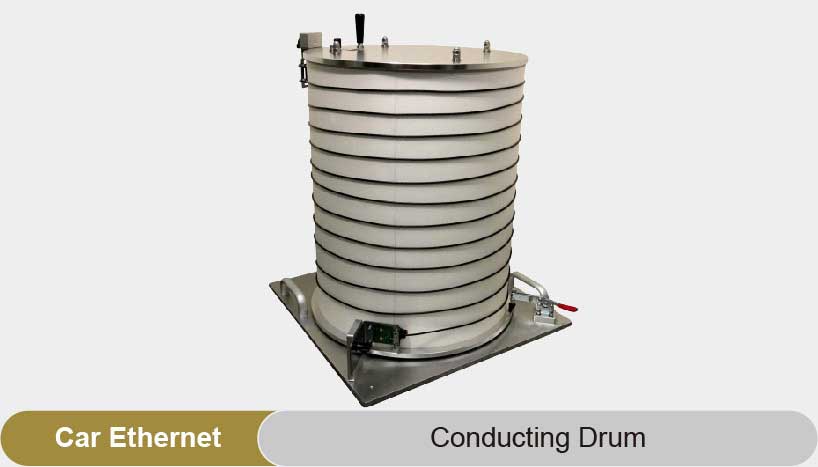
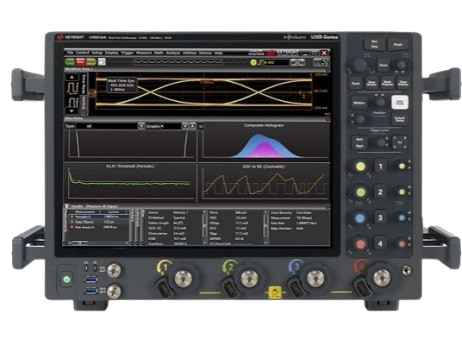
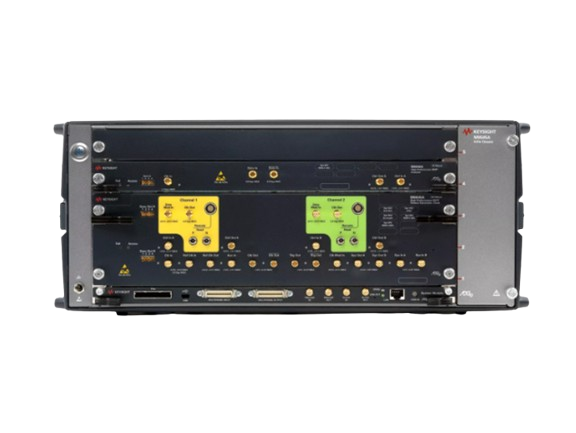
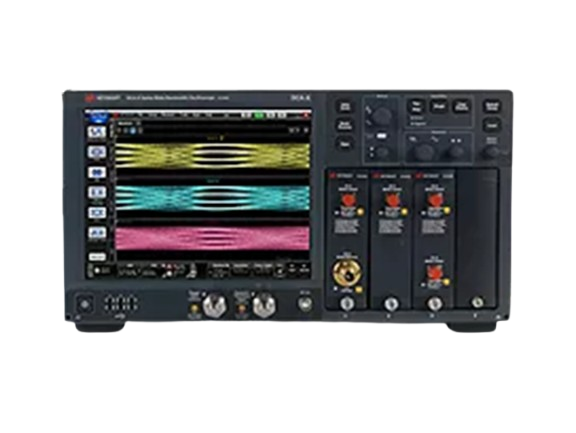
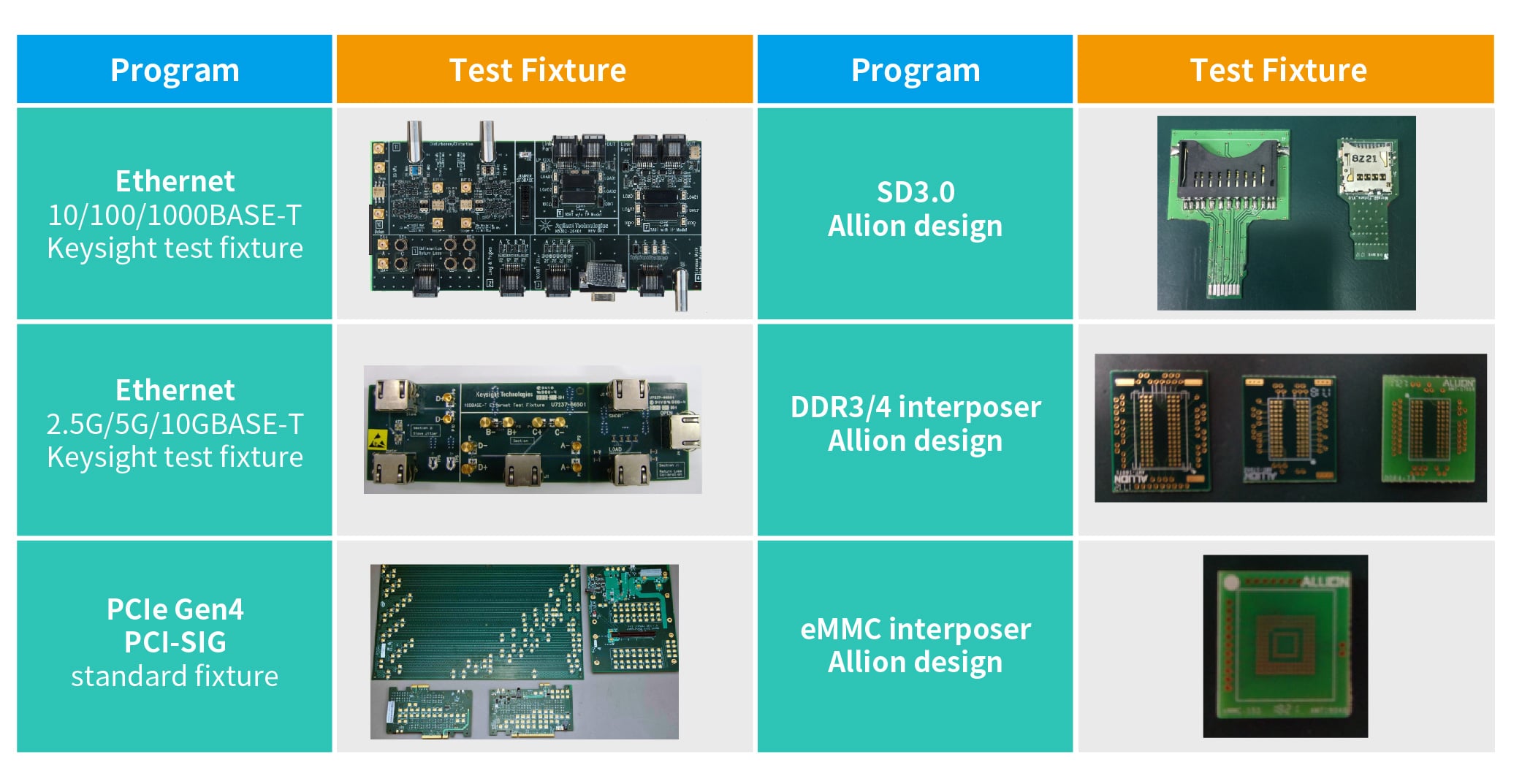
| Services | Deliverables | |
| DDR3/DDR4 electrical validation
LPDDR4 electrical validation DDR5 electrical validation LPDDR5 electrical validation SD3.0/4.0 electrical validation UFS3.0/4.0 electrical validation MIPI DPHY electrical validation MIPI CPHY electrical validation PCI-E Gen4/Gen5/Gen6 USB 2.0/3.x Automotive Ethernet (TC8 100Base-T1 PMA&IOP) Automotive Ethernet (TC12 1000Base-T1 PMA&IOP) |
ALLION 3rd-Party Report |
|
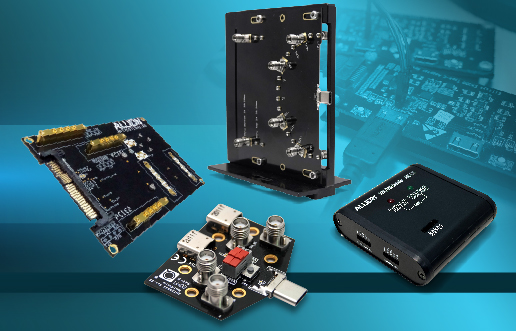
| DDR3/DDR4/LPDDR4 Interposer
DDR5/LPDDR5 Interposer eMMC/UFS Interposer |
Pre-Defined Interposer Customized Test fixture Rework |
|
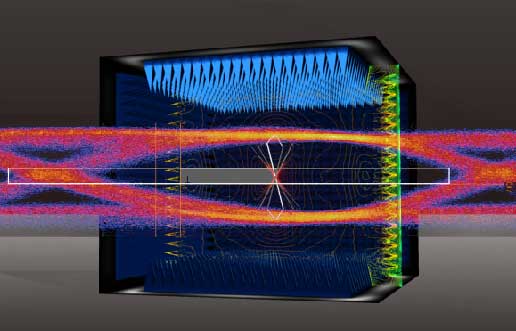
The height of an eye diagram only shows that the signal has sufficient voltage margin, while jitter measures whether the signal’s timing is accurate. These are two different aspects, so a signal can have a clean eye diagram and still fail the jitter test. Common causes include:
These issues usually need to be analyzed step by step with high-end measurement instruments. Allion can help identify the root cause and provide specific recommendations for improvement.
This means the signal barely passes at first, but the system gradually drifts away from its optimal state during operation. Common causes include:
When the errors appear can also provide clues:
Allion can simultaneously record error timing, link status, temperature, and power changes during testing to help pinpoint what triggers the issue.
Sync loss means the test instrument can no longer synchronize with the device under test at all, which is more serious than occasional bit errors. Think of it this way: occasional errors are like brief static during a phone call, while sync loss is like the call dropping entirely. Common causes include:
We recommend first reducing interference to a minimum and confirming that the basic link works, then gradually adding test conditions back. Allion can help review test settings and narrow down the problem step by step.
Not necessarily. DM-I (differential-mode interference) is noise intentionally injected during testing to verify a product’s interference tolerance. If errors disappear once it is turned off, that only shows the issue is related to this interference. The cause may lie on either the test side or the product side:
We recommend adjusting the interference level gradually to see at what point errors begin, which effectively narrows down the cause. Allion first verifies that the test conditions comply with the specification to avoid misjudging product quality.
PCIe Gen6 uses PAM4 signaling, in which the signal has four voltage levels that form three vertically stacked eye diagrams. As a result, checking whether the eyes are open is not enough. Two additional metrics must also be examined:
Common causes include:
If only one eye is noticeably smaller, start by checking RLM. If all three eyes are open but SNDR is low, the issue is more likely related to noise or distortion. Allion can help interpret measurement results and recommend appropriate improvements.
Combining a comprehensive testing environment, technical capabilities synchronized with international standards organizations, and decades of accumulated experience, Allion provides customers with one-stop consulting services, from specification training and strategic planning to debugging and optimization. Fill out the form now to let us know about any challenges you are facing!
Automotive Consulting
Certification & Connectivity